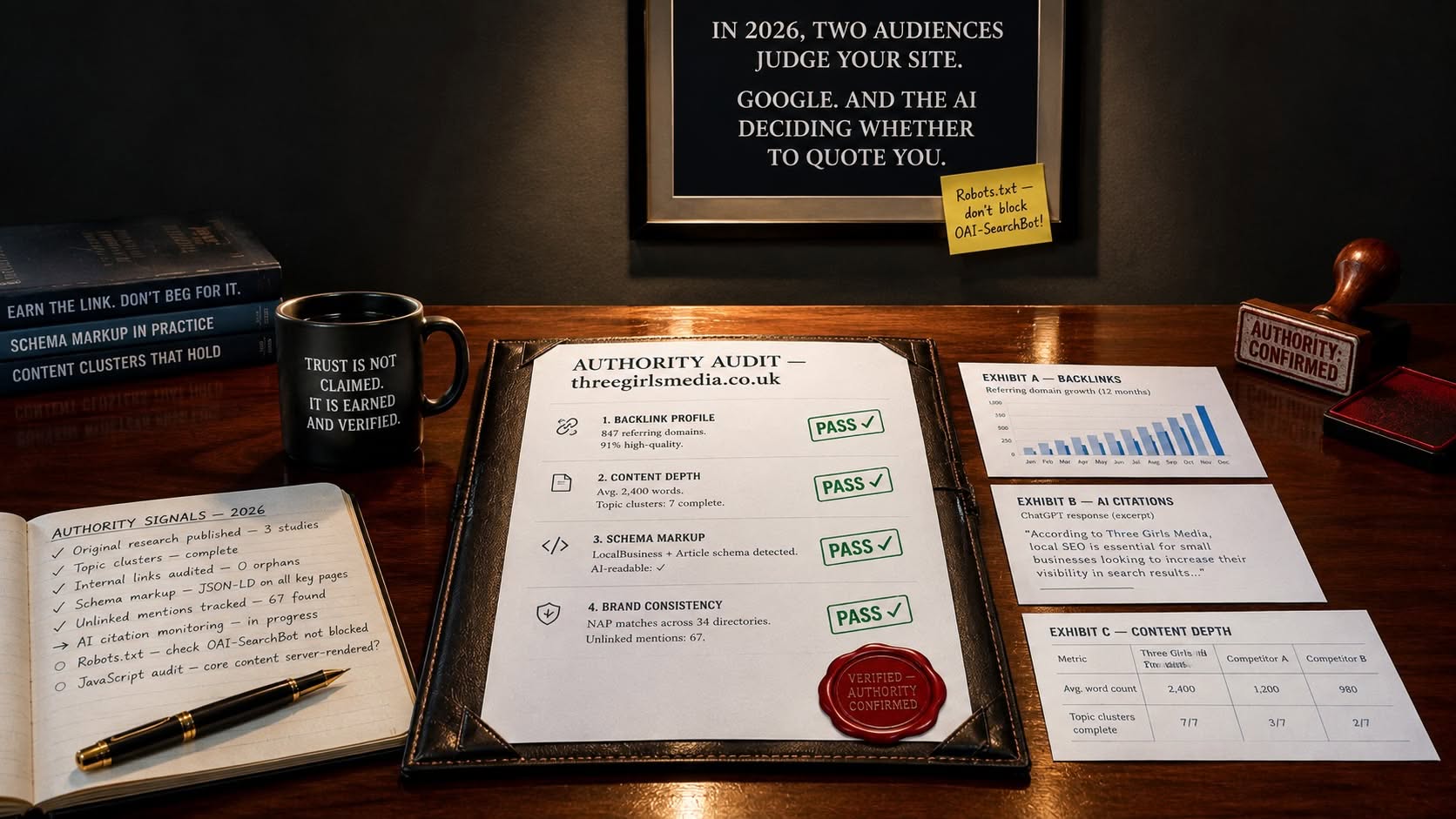
Off-page SEO isn’t some mystical art reserved for technical wizards. It’s about building genuine credibility across the web—the kind that makes both search engines and real people trust your brand.
While your competitors obsess over meta tags and loading speeds, the websites dominating search results are winning somewhere else entirely: everywhere but their own site. They’re earning mentions on authoritative platforms, securing backlinks from respected publications, and building a reputation that extends far beyond their domain.
Understanding Off-Page SEO’s Real Purpose
Off-page SEO encompasses everything you do outside your website to boost its authority, trustworthiness, and visibility. Unlike on-page SEO, which focuses on optimizing content and HTML within your site, off-page efforts happen across the broader web.
Think of it this way: on-page SEO is what you say about yourself. Off-page SEO is what everyone else says about you. And in 2026, that external validation carries tremendous weight—not just with Google’s algorithms, but with AI search platforms like ChatGPT, Perplexity, and Google’s AI Overviews.
Research from Semrush shows substantial overlap between domains ranking in Google’s top 10 and those appearing in AI-generated responses. The common thread? Strong off-page signals, particularly quality backlinks and frequent brand mentions.
Why Backlinks Still Dominate Rankings
Despite recurring debates about their relevance, backlinks remain the most powerful off-page ranking factor. They’re essentially votes of confidence—signals to search engines that other websites vouch for your content’s quality and relevance.
But here’s the catch: not all backlinks carry equal weight. A single link from an authoritative, topically relevant source can deliver more value than dozens of low-quality links from unrelated sites.
Quality Trumps Quantity Every Single Time
Google’s algorithms have become sophisticated enough to distinguish between earned editorial links and manipulative link schemes. Focus on these characteristics when evaluating potential backlinks:
Authority and Trust: Links from established domains with strong reputations pass more value than those from unknown sites. Check metrics like Domain Authority when assessing opportunities.
Topical Relevance: A backlink from a website in your industry or niche carries more weight than one from an unrelated source. Search engines use contextual signals to determine link value.
Natural Placement: Links embedded naturally within quality content perform better than those in footers, sidebars, or obvious link directories.
Editorial Nature: The best backlinks come from content creators who genuinely found your resource valuable enough to cite—not from paid placements or reciprocal arrangements.
The AI Search Connection
Recent data indicates that backlink authority correlates strongly with AI visibility. Domains with robust backlink profiles appear more frequently in AI-generated answers.
Auditing Your Current Backlink Profile
Before building new links, understand what you’re working with. A comprehensive backlink audit reveals opportunities and vulnerabilities in your existing profile.
Start by examining these critical metrics: referring domain count, authority distribution, anchor text patterns, and toxic link percentage.
Tools like Semrush’s Backlink Analytics provide this data quickly. Enter your domain to see comprehensive metrics on your backlink health, including toxic link scores and authority distributions.
Strategic Link Building That Actually Works
Once you understand your baseline, it’s time to build. Here are proven tactics:
Create Genuinely Linkable Assets
The most sustainable link building strategy is producing content so valuable that others naturally want to reference it. This includes original research and data studies, comprehensive resource guides, interactive tools, and visual content like infographics.
Leverage Digital PR for Authority Links
Digital PR has emerged as one of the most effective link building strategies. The approach combines traditional public relations with strategic link acquisition.
Instead of asking websites for links, you earn coverage by providing value to journalists, bloggers, and content creators. This might include expert commentary through platforms like HARO, newsworthy announcements via press releases, or collaborative content with publications.
Digital PR links tend to come from high-authority news sites and industry publications—exactly the sources that AI models trust when generating responses.
Target Competitor Backlink Gaps
Your competitors’ backlink profiles offer a roadmap to potential opportunities. Analyze their links to identify shared resource pages, guest posting opportunities, broken link targets, and co-citation patterns where multiple competitors are mentioned together.
Reclaim Unlinked Brand Mentions
Your brand likely gets mentioned across the web without accompanying links. These unlinked mentions represent easy wins—the hardest part (getting referenced) is already done.
Use monitoring tools to find these mentions, then reach out with a simple request asking them to add a link. This tactic works particularly well for media coverage, industry blogs and forums, and social media discussions.
Brand Mentions and AI Visibility
In the AI search era, unlinked brand mentions carry more weight than ever before. Large language models evaluate authority partly by analyzing how frequently and where brands are discussed—even without direct links.
Research from Seer Interactive demonstrates strong correlation between branded search volume and appearance in AI-generated responses. The more your brand name circulates in trusted contexts, the more likely AI platforms will include you in their answers.
Strategies for Earning More Mentions
Encourage customers to share experiences through user-generated content campaigns. Accept invitations for industry podcasts or webinars. Contribute expertise to journalist queries and expert roundups. Build affiliate programs that incentivize brand mentions.
Forum and Community Participation
Forums and online communities have experienced a resurgence in search visibility. Reddit, in particular, appears frequently in both traditional search results and AI-generated answers thanks to Google’s licensing partnership.
But this opportunity comes with caveats. Overtly promotional behavior gets shut down quickly in community spaces. The goal isn’t to spam links—it’s to genuinely participate and establish expertise.
Rules for Effective Forum Engagement
Add real value first by answering questions thoroughly without immediately plugging your business. Link only when your resources directly solve someone’s specific problem. Use your real identity and engage as a real person, not a faceless brand account. Follow community norms by lurking first to understand the culture.
Platforms worth considering include Reddit, Quora, niche industry forums, and Stack Exchange networks relevant to your field.
Local SEO Signals for Geographic Businesses
For businesses serving local markets, off-page local SEO remains critical for appearing in map packs, local results, and location-based AI answers.
Google Business Profile Optimization
Your Google Business Profile serves as a central off-page asset. Ensure it’s complete and accurate, regularly updated with posts and photos, and category optimized with the most specific, relevant options.
Consistent Citation Building
Citations—mentions of your business name, address, and phone number across web directories—help search engines verify your business legitimacy and improve local rankings.
Focus on major platforms like Google, Apple Maps, Bing Places, Yelp, and Facebook. Include industry-specific directories relevant to your business type and location.
The critical factor is consistency. Inconsistent NAP information can hurt credibility and confuse search engines.
Review Generation and Management
Online reviews function as both social proof and ranking signals. Actively request reviews from satisfied customers, respond to all reviews professionally, and monitor across platforms using review management tools.
Never buy fake reviews or offer incentives specifically for positive reviews—both violate platform policies.
Social Media’s Indirect SEO Impact
While social signals aren’t direct ranking factors, social media activity supports off-page SEO indirectly by amplifying content reach, driving referral traffic, building brand awareness that leads to branded searches, and generating valuable mentions.
Choose platforms based on where your target audience actually spends time. LinkedIn works for B2B brands, Instagram and Pinterest for visual consumer brands, YouTube for video content, X for real-time discussions, and TikTok for reaching younger demographics.
Don’t spread yourself thin. Master one or two platforms that align with your audience rather than maintaining weak presence across many.
Influencer Collaborations for Extended Reach
Partnering with established influencers in your niche can accelerate brand awareness, generate mentions, and potentially earn backlinks—but only when done strategically.
Look beyond follower count to engagement quality and authenticity. Consider audience alignment, authentic engagement rates, content quality, and past partnerships. Tools like Semrush’s Influencer Analytics can help identify relevant influencers by niche and platform.
Collaboration approaches include product reviews, co-created content like webinars or guides, affiliate partnerships, and event appearances. The goal isn’t just links—it’s building relationships that expand your brand’s reach.
Measuring Off-Page SEO Success
Off-page SEO delivers compounding returns over time. Track these metrics to gauge effectiveness:
Monitor referring domain growth, domain authority trends, brand mention volume (both linked and unlinked), organic traffic patterns, keyword ranking improvements, AI platform visibility using tools like Semrush’s AI Visibility Toolkit, and social engagement metrics.
Set benchmarks, review monthly, and adjust strategies based on what’s actually moving these metrics.
What to Avoid in Off-Page SEO
Certain tactics promise quick results but deliver long-term damage. Avoid private blog networks (PBNs), paid links without disclosure, irrelevant directory spam, automated link building software, exact-match anchor text overuse, and comment spam.
The best off-page SEO strategies focus on earning genuine endorsements through quality and value—not gaming systems through manipulation. In 2026, shortcuts increasingly lead to penalties while sustainable approaches deliver lasting results.
Final Thoughts
Off-page SEO isn’t optional if you’re serious about organic visibility. While your website’s content and technical foundation matter, your external reputation ultimately determines how far you can climb in search rankings.
Start with a thorough backlink audit to understand your current position. Build systematically through link-worthy content creation, strategic digital PR, and authentic brand building across relevant platforms. Monitor your progress through referral domains, brand mentions, and visibility in both traditional and AI search.
The websites dominating search results in 2026 aren’t just technically optimized—they’re genuinely respected across their industries. Build that respect, and the rankings follow.
Related reading: What Makes a Landing Page Convert? Build One That Actually Works, The Only SEO Checklist You Actually Need to Rank in 2026.