| Key Insight | Explanation |
|---|---|
| Branding and web design are inseparable | Your visual identity must carry through every page of your website to build recognition and trust. |
| Consistency drives conversions | Businesses with consistent branding across all channels see significantly higher revenue than those with fragmented identities. |
| First impressions happen in milliseconds | Visitors form an opinion about your website within 0.05 seconds, making visual design your most powerful first-contact tool. |
| Brand strategy must come before design | Defining your audience, tone, and values before touching a design tool prevents costly rebuilds later. |
| UX-led design outperforms aesthetic-only design | Websites built around user experience (UX) and conversion goals generate more enquiries than those built purely for looks. |
| SMBs benefit most from integrated agencies | Working with one agency for branding, web design, SEO, and support creates a cohesive digital strategy that’s easier to manage and measure. |
Your website is often the first thing a potential customer sees. And branding and web design are the two forces that determine whether that first impression earns their trust or sends them straight to a competitor. Done well, they work as a single system: your brand defines who you are, and your website delivers that identity to the world in a way that’s clear, consistent, and compelling.
This guide covers everything you need to know about making this method work together, from the foundational principles to the practical steps you can take right now. Whether you’re building a new site from scratch or refreshing an existing one, these insights will help you make smarter decisions and get better results.
What Is Branding and Web Design?
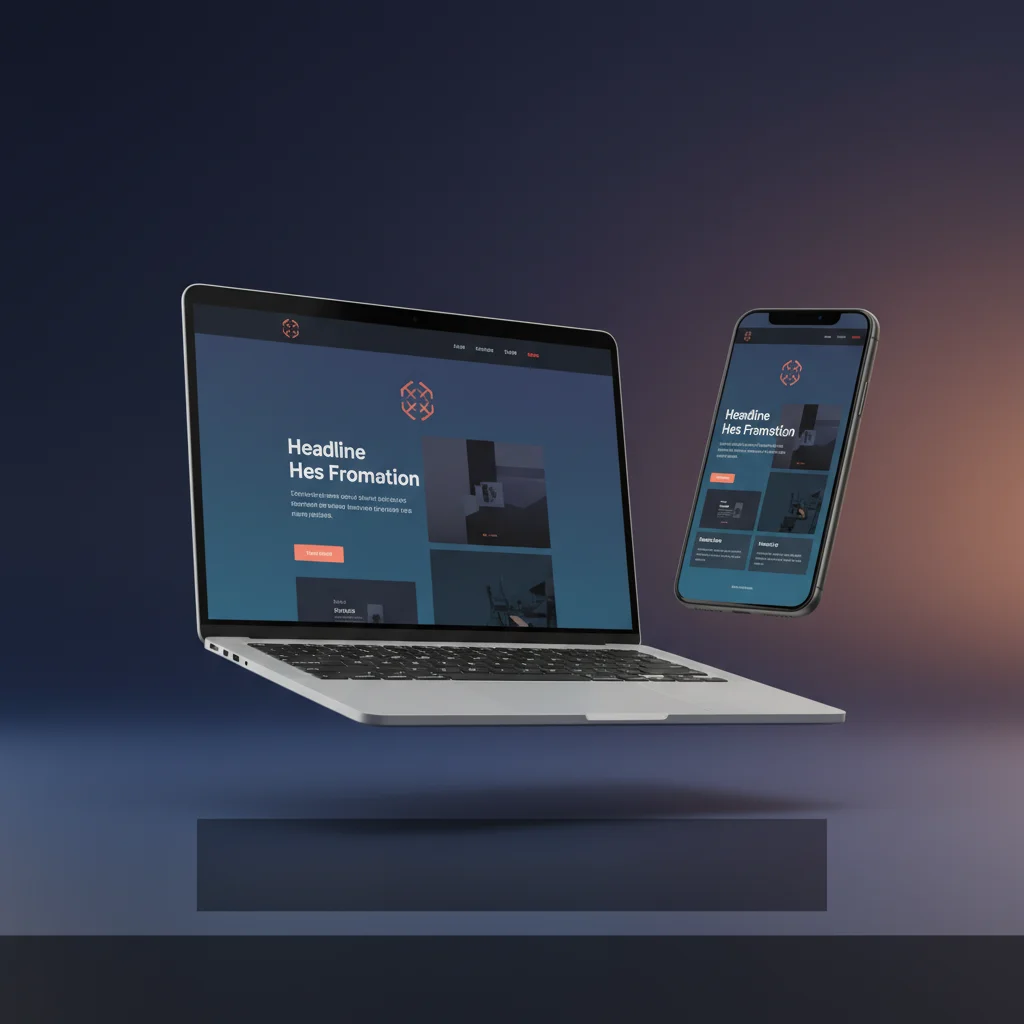
this strategy are complementary disciplines that together define how a business looks, feels, and communicates online. Branding covers your identity: your logo, color palette, typography, tone of voice, and the values your business stands for. Web design translates that identity into a functional, user-friendly digital experience.
Defining Branding
Branding is the strategic process of shaping how people perceive your business. It goes far beyond a logo. A strong brand includes:
- A clearly defined mission and set of values
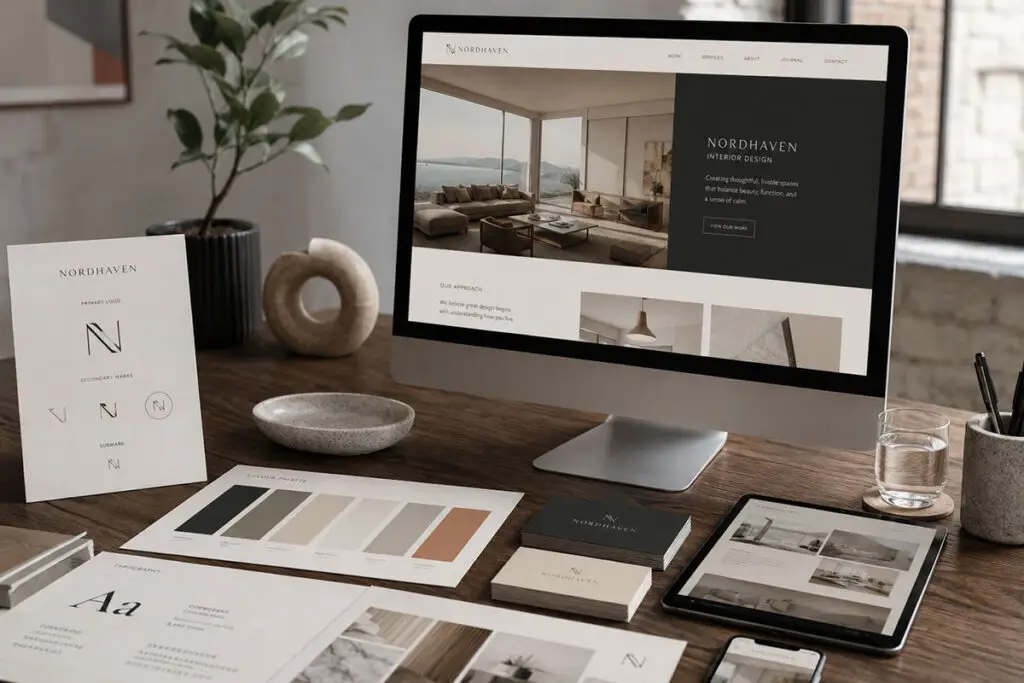
- A consistent visual identity (logo, colors, fonts, imagery style)
- A distinctive tone of voice used across all communications
- A positioning statement that sets you apart from competitors
Industry analysts suggest that consistent brand presentation across all platforms can increase revenue by up to 23% [1]. That figure matters because it shows branding isn’t just a creative exercise. It’s a commercial one.
Defining Web Design
Web design (the process of planning, structuring, and building a website) encompasses both visual aesthetics and technical functionality. According to Dot IT’s research on website design for business growth, a well-designed website directly influences trust, user engagement, and conversion rates [2].
The two disciplines overlap constantly. Your website’s color choices come from your brand palette. Your headline copy reflects your brand voice. Your navigation structure reflects how well you understand your audience. Pull one thread, and the other unravels.
Pro Tip: Before briefing any designer, document your brand basics: your primary and secondary colors (as hex codes), your chosen fonts, and three words that describe your brand’s personality. This single step cuts design revision rounds in half.
Why Branding and Web Design Must Work Together
this approach that operate in isolation produce inconsistent, confusing experiences that erode customer trust and reduce conversions. When they’re aligned, every page of your site reinforces your identity and moves visitors closer to taking action.
The Trust Factor
Visitors form a visual impression of your website in approximately 0.05 seconds. That’s not enough time to read a word. It’s purely a design reaction. If your site looks polished and consistent with your brand, trust builds instantly. If it looks mismatched or dated, that trust evaporates before you’ve had a chance to make your case.
The National Recreation and Park Association’s analysis of branding in website design highlights that branded websites boost credibility and expand audience reach significantly compared to generic or template-built alternatives [3].
Consider a real-world scenario: a nursery in Surrey recently approached our team with a website that had been built on a generic template, using stock colors that bore no relation to their actual logo. Parents visiting the site reported feeling uncertain about the business’s professionalism, despite the nursery having an excellent Ofsted rating. A rebrand and redesign that unified their visual identity resulted in a measurable increase in enquiry form completions within 60 days of launch.
Consistency Across Every Touchpoint
Your website doesn’t exist in isolation. Visitors arrive from social media, Google searches, email campaigns, and printed flyers. Each of those touchpoints carries a brand impression. When your website matches what they’ve already seen, confidence grows. When it doesn’t, doubt creeps in.
As Design in DC’s guide on how branding and website design work together explains, a consistent identity across channels strengthens trust and improves the overall user experience [4]. This is why the best-performing small business websites aren’t just visually attractive. They’re strategically consistent.
Pro Tip: Run a quick brand audit by opening your website, your most recent social media post, and your email signature side by side. If the fonts, colors, or tone feel different across the three, you have a consistency problem worth fixing before your next marketing push.
Core Elements of Effective Branding and Web Design in 2026
Effective the practice in 2026 combines timeless visual principles with current technical standards, including mobile-first layouts, fast load speeds, and accessibility compliance. Here are the core elements every business site needs.
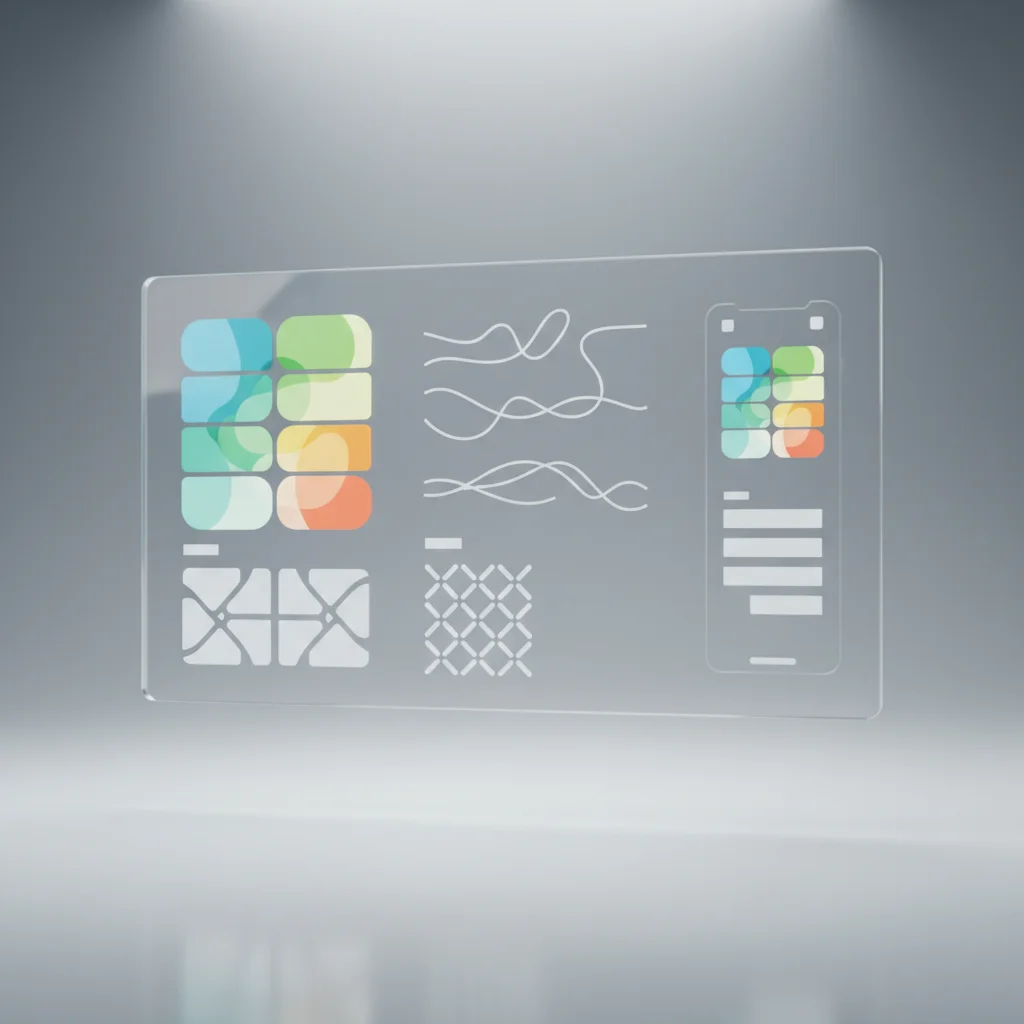
Visual Identity Elements
- Logo: Your primary visual mark, displayed consistently in size, placement, and color across every page
- Color palette: A defined set of primary and secondary colors that carry emotional associations and differentiate your brand
- Typography: Chosen typefaces that reflect your brand personality, applied consistently to headings, body text, and calls to action
- Imagery style: A consistent photographic or illustrative style that reinforces your brand’s tone (warm and approachable, clean and clinical, bold and energetic)
- White space: Deliberate use of empty space to guide the eye and prevent visual overload
Brand strategy guidance for web designers describes brand styling as the curation of visual assets including fonts, color palettes, and imagery that together create a recognizable, cohesive identity [5].
Technical and UX Standards for 2026
UX (user experience, meaning how easy and enjoyable your site is to use) is no longer a nice-to-have. As of 2026, Google’s Core Web Vitals (a set of performance metrics covering page speed, visual stability, and interactivity) directly influence search rankings. A slow or clunky site doesn’t just frustrate visitors. It actively suppresses your visibility on Google.
Key technical standards to meet include:
- Mobile-first responsive design (your site must look and function perfectly on smartphones)
- Page load time under 2.5 seconds (measured by Largest Contentful Paint)
- WCAG 2.2 accessibility compliance (ensuring your site is usable by people with disabilities)
- Secure HTTPS connection with a valid SSL certificate
- Clear, logical navigation that lets users find what they need in three clicks or fewer
| Element | Branding Role | Web Design Role |
|---|---|---|
| Color palette | Defines emotional tone and recognition | Applied to buttons, backgrounds, and headings |
| Typography | Reflects brand personality | Ensures readability and visual hierarchy |
| Logo | Primary identity mark | Placed in header, favicon, and footer |
| Tone of voice | Sets personality and trust signals | Expressed through page copy and microcopy |
| Page speed | Reflects professionalism indirectly | Direct ranking and UX factor |
| Imagery style | Creates emotional connection | Optimized for fast loading and responsiveness |
For businesses that use physical materials alongside their digital presence, maintaining brand consistency extends beyond the screen. Services like Branding Stamps Dubai demonstrate how physical branding tools can complement a digital identity, reinforcing recognition across both online and offline touchpoints.
How to Build Your Brand Identity Into Your Website
Building your brand identity into your website is a structured process that starts with strategy and ends with consistent execution across every page, component, and interaction. Here’s how to do it step by step.
The Step-by-Step Process
- Define your brand foundations first. Document your mission, target audience, key differentiators, and tone of voice before any design work begins. This is your brief.
- Build a brand style guide. A style guide (sometimes called a brand book) captures your logo usage rules, color codes, font choices, and imagery guidelines in one reference document.
- Map your site structure to user needs. Use your audience knowledge to plan a navigation structure that reflects how your customers think, not how your internal team is organized.
- Apply your visual identity to every template and component. Buttons, forms, headings, footers, and error pages all need to reflect your brand palette and typography.
- Write copy in your brand voice. Every headline, paragraph, and call to action should sound like the same person wrote it, because in effect, one brand did.
- Test with real users before launch. Usability testing (asking real people to complete tasks on your site) reveals where your design assumptions don’t match user behavior.
- Review and update regularly. Brand and web design aren’t set-and-forget. Schedule a quarterly review to catch drift, outdated content, or technical issues.
Kurly Creative’s detailed brand and website design process outlines a similar structured approach, emphasizing that the discovery and strategy phase is the most critical investment in the entire project [6].
Real-World Application
At Three Girls Media, we’ve found that clients who arrive with a clear brand brief, even a rough one, consistently achieve better results than those who ask us to “figure it out.” The brief doesn’t need to be polished. It needs to answer three questions: Who are your customers? What do you want them to feel when they visit your site? What do you want them to do next?
A healthcare practitioner in Caterham we worked with had those three answers clear from day one. The resulting website launched on time, passed Core Web Vitals benchmarks on first submission, and generated its first online booking enquiry within 48 hours of going live. Strategy first. Design second. Results follow.
Research on web design for branding and visual identity confirms that the most effective websites treat brand consistency as a structural requirement, not a finishing touch [7].
Pro Tip: Create a one-page “brand cheat sheet” with your hex color codes, font names, and three example sentences written in your brand voice. Share it with every designer, copywriter, or developer who touches your site. It takes 20 minutes to create and saves hours of revision time.
Common Branding and Web Design Mistakes to Avoid
The most damaging this practice mistakes are rarely dramatic. They’re small, accumulated inconsistencies that quietly erode trust and suppress conversions over time. Knowing what to watch for is half the battle.
The Most Costly Mistakes
- Designing before strategizing. Starting with visuals before defining your audience and positioning is the single most common mistake. The result is a beautiful site that doesn’t convert, because it wasn’t built for anyone specific.
- Using too many fonts and colors. More than two or three typefaces and four or five colors creates visual noise that undermines brand recognition. Simplicity signals confidence.
- Ignoring mobile users. As of 2026, more than 60% of web traffic in the UK comes from mobile devices. A site that isn’t optimized for mobile isn’t just inconvenient. It’s commercially self-defeating.
- Letting your site go stale. An outdated copyright date, broken links, or imagery that no longer reflects your business all signal neglect. Visitors notice.
- Treating branding as a one-time project. Brands evolve. Your website needs to evolve with them, which means ongoing support and maintenance isn’t optional. It’s essential.
- Copying competitor aesthetics. If your site looks like every other business in your sector, you’ve lost your differentiation before the visitor reads a word.
One pitfall to watch for specifically: businesses that invest in a logo and brand identity but then hand the files to a cheap template-builder or a junior freelancer. The resulting website rarely honors the brand work. The visual identity ends up diluted, the fonts substituted, and the color codes approximated. The brand investment is wasted.
Full Circle Design’s approach to this method emphasizes that strategic and results-driven experiences require this strategy to be handled in coordination, not in sequence by separate unconnected parties [8].
How to Avoid These Pitfalls
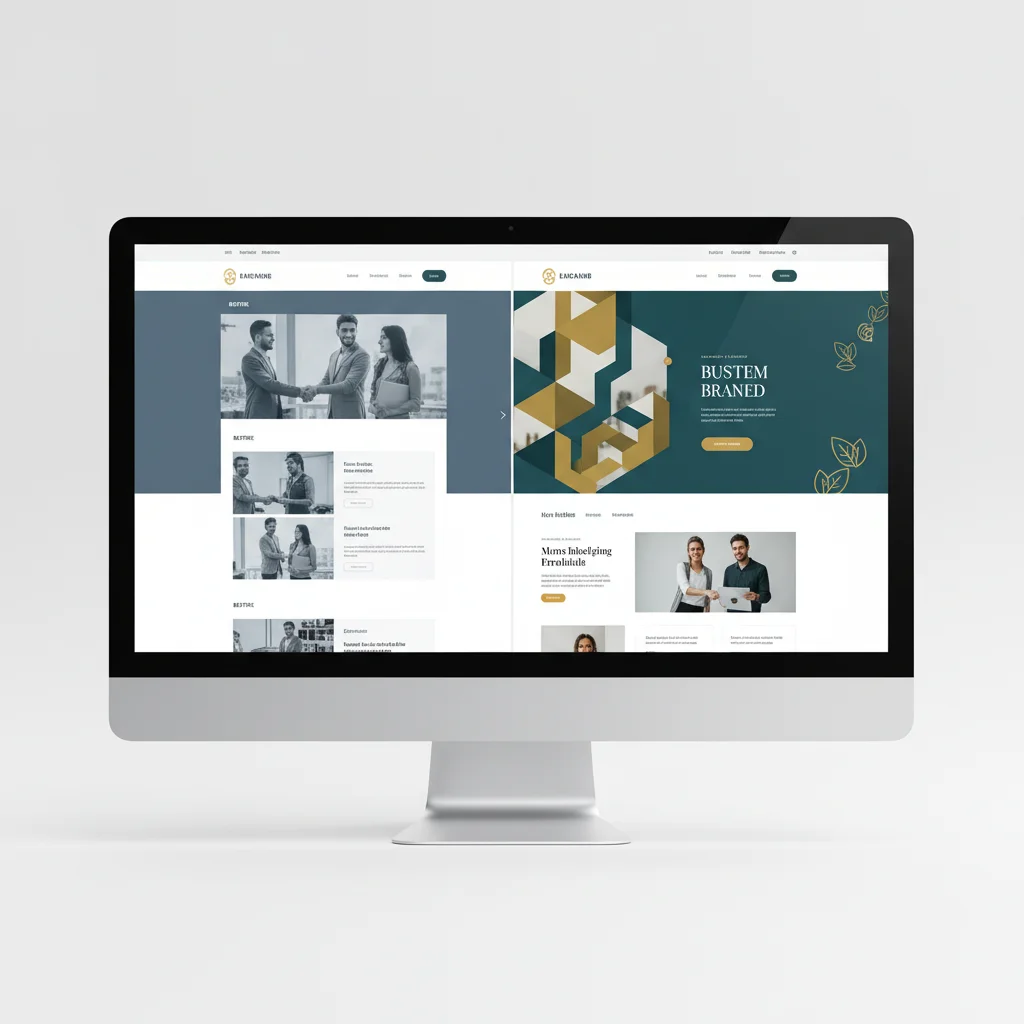
The practical fix for most of these mistakes is working with one integrated team that handles both this approach together. When the same people who define your brand also build your website, consistency isn’t something you have to manage. It’s built into the process.
Whiskey & Red’s integrated brand and website design approach demonstrates how aligning all professional resources under one studio eliminates the gaps that appear when the practice are handled separately [9].
How to Choose the Right Branding and Web Design Partner
Choosing the right this practice partner means finding a team with proven experience, a process that starts with strategy, and the technical capability to build a site that performs as well as it looks. Here’s what to look for.
Key Criteria for Evaluation
- Portfolio diversity: Look for experience across multiple industries, not just one niche. A team that has designed for healthcare, retail, and education brings transferable insight to your project.
- Strategy-first process: Any agency worth working with will ask about your audience, your goals, and your competitors before touching a design tool. If they skip straight to “what colors do you like?”, walk away.
- Integrated services: The best outcomes come from agencies that offer branding, web design, SEO, and ongoing support under one roof. Coordination between these services is where the real value is created.
- Transparent pricing: You should know what you’re paying for and why. Hidden costs and vague scope are warning signs.
- Post-launch support: A site that goes live and then gets abandoned is a liability. Confirm that hosting, maintenance, and technical support are included or available.
- Genuine industry experience: Ask whether the team has direct commercial experience, not just client work. A team that has built and operated their own online business understands buying behavior from the inside out.
Questions to Ask Before Signing
- Can you show me examples of sites you’ve built for businesses similar to mine?
- How do you approach brand strategy before design begins?
- What does your process look like from brief to launch?
- How do you handle revisions and feedback?
- What ongoing support do you offer after the site goes live?
- How do you measure success? What metrics do you track?
Our team at Three Girls Media recommends treating the initial conversation with any agency as a two-way interview. You’re assessing their capability. They should be assessing your needs. If they’re not asking you questions, they’re not doing the strategy work that will make your project succeed.
The NRPA’s guidance on branding for agency websites reinforces that the most effective digital presences are built by teams who treat brand credibility and audience reach as primary design objectives, not secondary considerations [3].
In practice, the difference between a website that generates consistent enquiries and one that sits quietly doing nothing often comes down to one thing: whether the people who built it understood this method as a unified discipline, and had the commercial experience to apply that understanding to your specific market.
Sources & References
- NRPA, “Why Branding Matters for Your Agency’s Website Design,” 2026
- Medium / Mansi Rana, “Web Design for Branding: Creating a Consistent Visual Identity,” 2026
Frequently Asked Questions
1. What is the difference between branding and web design?
Branding defines your business identity: your values, visual style, and tone of voice. Web design translates that identity into a functional, user-friendly website. The two are distinct disciplines, but they must work together. A website without strong branding looks generic. A brand without a well-designed website has no effective home on the internet. The best results come when both are developed in coordination by the same team or with close collaboration between teams.
2. Do I need a brand identity before I build my website?
Yes, ideally. Having at least a basic brand identity (logo, color palette, typography, and tone of voice) before web design begins ensures that the site reflects your business accurately from day one. Building a website without branding often results in a generic look that requires costly redesigns later. That said, many agencies, including full-service studios, can develop your brand and website simultaneously as part of an integrated project.
3. How much does branding and web design cost for a small business?
Costs vary significantly depending on scope, complexity, and the agency you choose. A basic branding package combined with a professional website for a small business in the UK typically ranges from £2,000 to £10,000 as of 2026. Ongoing costs for hosting, maintenance, and SEO are additional. The key question isn’t what it costs. It’s what a professional, conversion-focused site is worth to your business in new enquiries and customer trust.
4. How does branding and web design affect SEO?
this strategy both influence SEO (search engine optimization, meaning how well your site ranks on Google) in significant ways. A well-structured, fast-loading, mobile-friendly website signals quality to Google’s ranking algorithms. Consistent branding builds trust with visitors, which reduces bounce rate (the percentage of people who leave after one page) and increases time on site. Both are behavioral signals that Google uses to assess content quality.
5. Can I use a website template and still have strong branding?
Templates can work, but they come with limitations. Most templates are designed to be generic by definition, which means standing out requires significant customization. A template applied without brand-specific colors, fonts, and imagery will look like every other site using the same template. If budget is a constraint, a professionally customized template with strong brand application is far more effective than a bespoke design with no brand strategy behind it.
6. How often should I update my branding and web design?
Most businesses benefit from a full brand and web design review every three to five years, with smaller updates, fresh content, and technical maintenance happening continuously. If your site looks dated, your conversion rate has dropped, or your business has significantly evolved, those are signals to act sooner. A site that hasn’t been touched in five years is almost certainly losing you customers to competitors with more current digital presences.
7. What makes a website conversion-focused rather than just attractive?
A conversion-focused website is designed around what you want visitors to do, not just how you want it to look. This means clear calls to action on every page, a logical user journey from landing to enquiry, fast load speeds, and trust signals like testimonials and credentials placed strategically. Aesthetics support conversion but don’t cause it. The structure, copy, and UX decisions are what turn visitors into customers.
Bringing It All Together
this approach aren’t two separate projects. They’re two parts of one strategy. Your brand defines the promise. Your website delivers it. When they’re aligned, you build the kind of credibility that turns first-time visitors into paying customers and one-time buyers into loyal advocates.
The businesses that win online in 2026 aren’t necessarily the ones with the biggest budgets. They’re the ones with the clearest identity, the most consistent presentation, and the most user-friendly digital experience. Those are all achievable goals for a small or medium-sized business, with the right partner.
If your current website doesn’t reflect the quality of your business, or if your branding feels inconsistent across your digital touchpoints, now is the right time to address it. At Three Girls Media, we build websites that work as hard as you do, grounded in 10+ years of award-winning experience and a genuine understanding of what it takes to compete online. Contact us for a quote and let’s talk about what your site could be doing for your business.
Recommended Articles
Explore more from our content library: