If you’ve ever published a blog post and watched it vanish into search result oblivion, you already know that writing well isn’t the same as writing for search engines. SEO content is the bridge between the two — it’s content built around what people are actually typing into Google, structured in a way that both readers and algorithms can make sense of, and valuable enough that it earns its spot at the top.
This isn’t about stuffing keywords into paragraphs until they read like a robot wrote them. It’s a deliberate process: understanding intent, researching demand, and then producing something genuinely useful. Below is a practical walkthrough of how that process works, from the first keyword search to the final piece of structured data on your page.
What Counts as SEO Content, Really?
At its core, SEO content is any piece of website content — a blog article, a product page, even an image or video — that’s created with search visibility in mind. It targets topics your audience is actively searching for, and it’s shaped around the technical and editorial signals search engines use to decide what deserves a top ranking.
The goal isn’t traffic for traffic’s sake. It’s attracting the right traffic — people who are searching for exactly what you offer, at the moment they’re looking for it. A well-optimized article about, say, a specific dog breed mix can end up ranking for dozens of related searches and pulling in visitors month after month without a penny spent on ads. That’s the entire appeal of organic content: it compounds. A page published once can keep earning clicks for years, unlike a paid ad that stops the moment the budget runs out.

Start With Real Keyword Research, Not Guesswork
Before you write a single sentence, you need to know what your audience is actually searching for — not what you assume they’re searching for. This is where most content plans go wrong: people write about what they think is interesting rather than what has demand behind it.
Tools like Semrush’s Topic Research tool let you plug in a broad subject and get back a list of related subtopics, each scored on a few key metrics worth understanding:

Search Volume, Difficulty, and Efficiency
Search volume tells you how many people are searching for a term each month, on average — a rough proxy for how much traffic is even available. Difficulty estimates how hard it will be to rank for that term given the competition already there. The two combined give you what’s sometimes called topic or keyword efficiency: high demand paired with low resistance is the sweet spot, though those opportunities get rarer the more competitive your niche is.
Beyond the numbers, good keyword tools also surface the actual questions people ask around a topic and related searches that show up in Google’s “People also ask” boxes. These are gold for content planning because they tell you, almost word for word, what your article needs to answer to be considered complete. A dedicated keyword research tool with a large database can also help you uncover long-tail variations and low-competition terms that are easier wins for newer sites.
It’s also worth running a competitive gap check — comparing your existing content against rivals to see which keywords they rank for that you don’t. That gap is often where your next few article ideas are hiding in plain sight.
Read the SERP Before You Write a Word
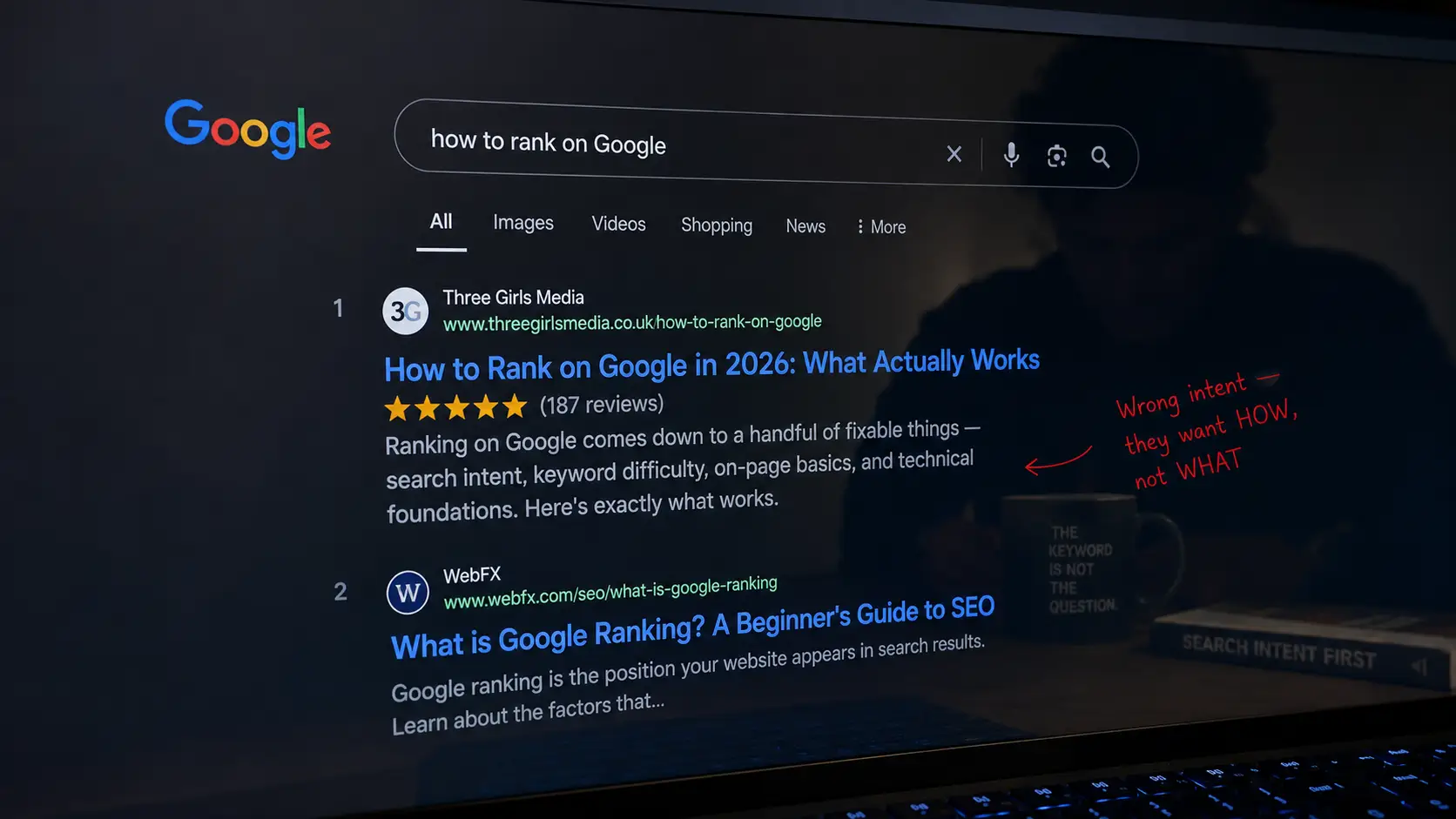
Once you’ve picked a keyword, the next step is understanding exactly what Google is currently rewarding for that term — and the fastest way to do that is a proper SERP analysis. Don’t just type the keyword into Google yourself; personalized search results based on your own history and location can skew what you see. Use a dedicated keyword overview tool instead, so you’re looking at a more neutral snapshot of the top-ranking pages.
Pay attention to two things: what format the top results take (long guides, listicles, product comparisons, videos) and what special SERP features appear — featured snippets, video carousels, “people also ask” boxes, image packs. These features tell you what Google believes searchers want. If every top result for your keyword is a step-by-step tutorial with images, writing a thin 300-word opinion piece isn’t going to compete, no matter how well you optimize the meta tags.
This step also doubles as a sanity check. Sometimes you’ll discover the keyword’s intent doesn’t actually match your business — maybe people searching that term want free information when you’re trying to sell a product. In that case, it’s better to walk away and find a keyword that lines up with what you actually offer.

Quality Still Wins — But “Quality” Has a Definition
Google’s own guidance leans heavily on a framework known as E-E-A-T: experience, expertise, authoritativeness, and trustworthiness. This matters more on topics that could affect someone’s health, finances, or safety — what’s often called Your Money or Your Life content — but it shapes ranking decisions across the board.
Beating the competition on quality usually comes down to a handful of concrete moves: covering the topic more thoroughly than anyone currently ranking, presenting information through a mix of formats (text, images, short video where relevant), and adding something genuinely new — a unique data point, a clearer explanation, an angle no one else has bothered with. Comprehensiveness matters, but so does usability. A 4,000-word article that’s exhausting to read will lose to a tighter, better-organized 1,500-word piece that answers the same questions faster.
Placing Keywords Without Sounding Like a Keyword Stuffed Robot
Once you know what to write about, keyword placement is what tells Google — and increasingly, AI-driven search summaries — that your page is relevant to a given query. But there’s a real difference between natural placement and old-school keyword stuffing, and Google’s algorithms are good at spotting the latter.
Your primary keyword should show up in a few predictable spots: the title tag, the meta description, your H1 heading, ideally the URL slug, and naturally within your opening paragraph. From there, secondary keywords and semantically related terms should be woven through subheadings and body copy wherever they fit the sentence naturally — not forced in for the sake of hitting a density target.
If you want a second pair of eyes on this, tools like Semrush’s SEO Writing Assistant will score a draft on readability, SEO alignment, originality, and tone, and flag spots where you’re either under-optimized or veering into unnatural phrasing.

Don’t Forget Images and Video
Written copy tends to get all the attention in SEO planning, but images and video carry their own ranking weight. For images, that means descriptive file names and well-written alt text — not just for search bots, but for accessibility, since alt text is read aloud by screen readers for visually impaired users.
Video works similarly, with an added wrinkle: uploading to YouTube specifically tends to help because Google owns the platform and indexes it accordingly. Including your target keyword in the video title and description, then embedding that video on the relevant page of your own site, gives you two shots at ranking for the same term.
Structured Data Is the Quiet Multiplier
The last piece that a lot of content creators skip is schema markup — structured data added to your page’s code that explicitly tells search engines what different elements on the page represent. A recipe page with proper schema can show up with a star rating, cook time, and calorie count right in the search results. A how-to article can generate step-by-step rich snippets. None of this changes what a human reader sees on the page, but it dramatically changes how the page looks in search results, and rich results tend to pull higher click-through rates simply because they take up more visual space and answer more of the searcher’s question upfront.
You don’t need to hand-code this yourself. Most website platforms have plugins that handle schema implementation, and Google’s own structured data documentation is a solid reference if you want to understand what’s possible before handing it off to a developer.

Bringing It All Together
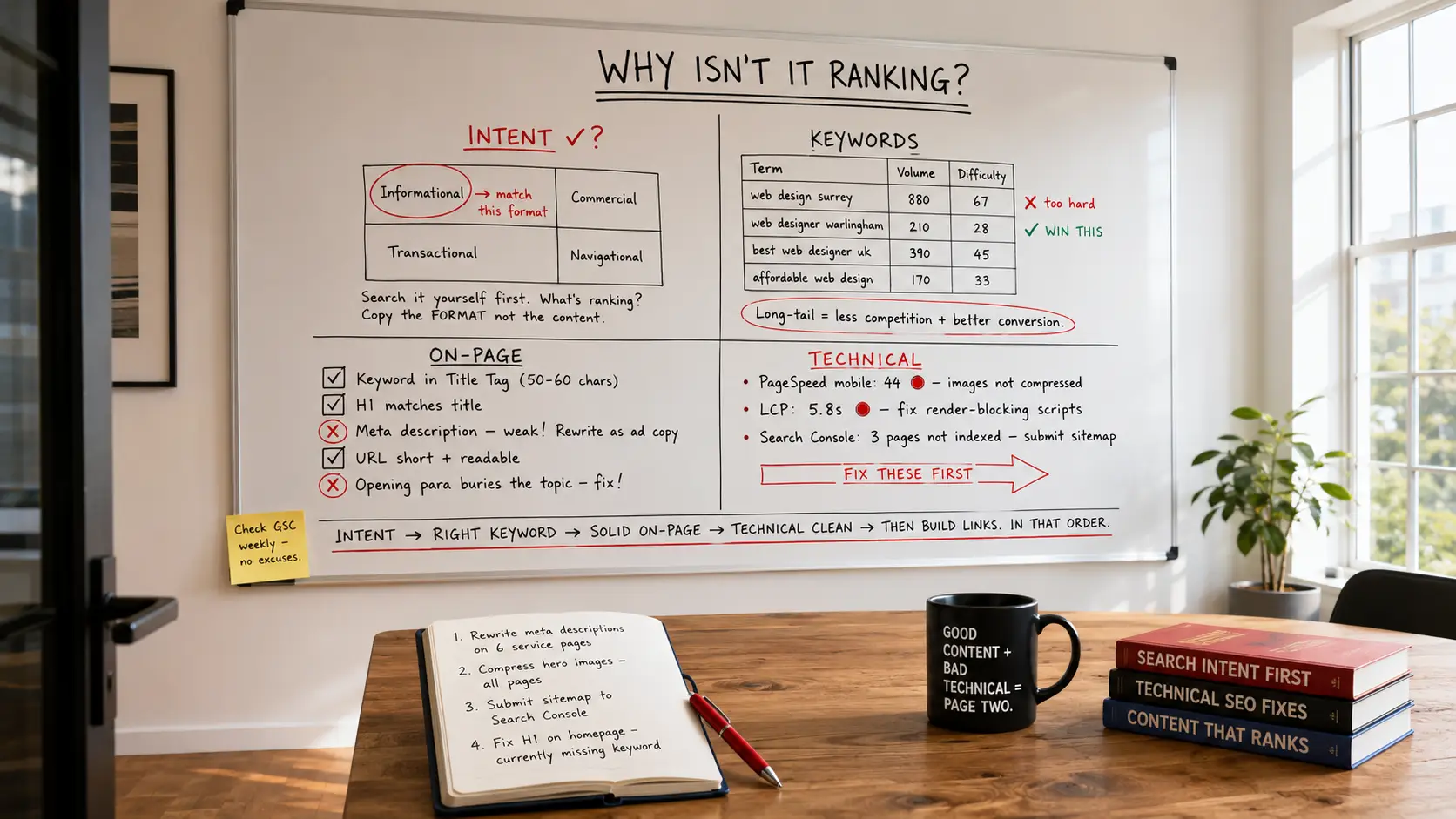
None of these steps work particularly well in isolation. Keyword research without SERP analysis leads you toward the wrong format. Great writing without keyword placement never gets discovered. Perfect on-page optimization without genuine depth gets outranked by someone who tried harder. The pages that consistently win are the ones where every one of these pieces — research, intent-matching, depth, structure, and technical polish — is handled with equal care, not treated as a box-ticking exercise on the way to hitting publish.