Getting lost in search results feels frustrating, doesn’t it? Your content deserves better than being buried on page two where nobody clicks. That’s exactly where rich snippets change everything—they’re the difference between being invisible and impossible to ignore.
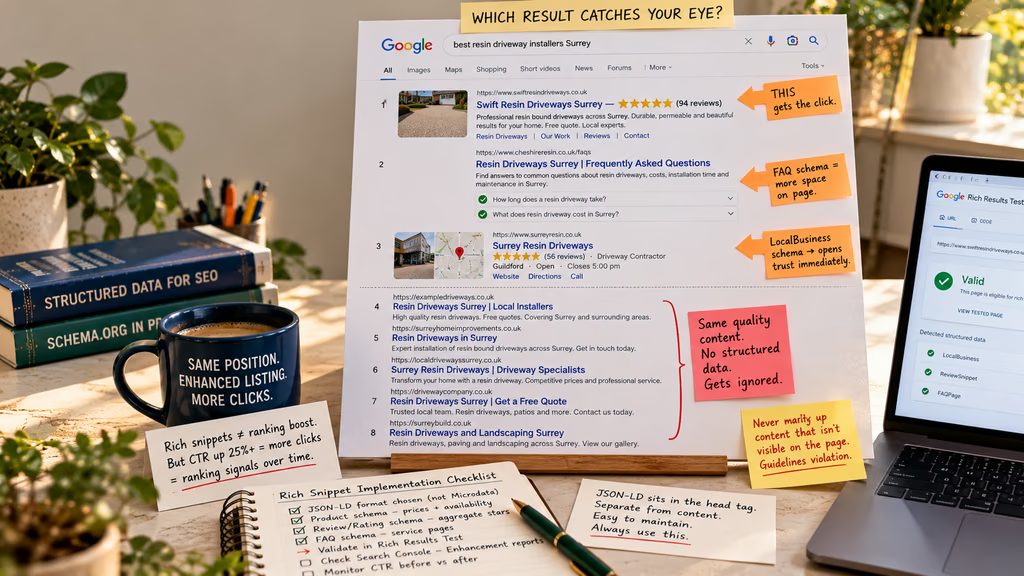
Think about the last time you searched for something. Which result caught your eye first? Chances are, it was the one with star ratings, images, or quick facts displayed right there in the search results. Those enhanced listings aren’t random—they’re rich snippets, and they’re transforming how websites compete for clicks.
Let me show you how to get them working for your site.
What Makes Rich Snippets Different from Regular Results?
Rich snippets are enhanced search listings that display additional information beyond the standard title and description. Google pulls this extra data from structured code embedded in your webpage’s HTML, creating results that stand out visually and provide more context to searchers.
Here’s what separates them from ordinary listings: while a typical result shows just your page title and meta description, rich snippets can display ratings, prices, images, cooking times, event dates, and more. This visual enhancement makes your content more appealing and informative before anyone even clicks through.
The technical foundation is structured data markup—specifically code written in formats like JSON-LD that tells search engines exactly what your content represents. When implemented correctly, this markup transforms bland text links into dynamic, engaging search results.
Understanding the Terminology
You’ll hear several terms thrown around: rich snippets, rich results, and SERP features. They’re related but not identical.
Rich snippets and rich results mean the same thing—Google uses both names interchangeably. They refer to standard search listings enhanced with extra information like star ratings or product prices.
SERP features represent a broader category that includes rich snippets plus other specialized results like knowledge panels, image carousels, and video previews. Every rich snippet is a SERP feature, but not every SERP feature is a rich snippet.
Don’t confuse rich snippets with featured snippets either. Featured snippets appear in “position zero” at the very top of search results, often answering questions directly. Rich snippets enhance regular organic results that appear in standard positions.
Why Rich Snippets Matter for Your SEO Strategy
Rich snippets won’t magically rocket your site to position one overnight. Google has confirmed they’re not a direct ranking factor. However, their indirect impact on SEO performance is substantial and measurable.
The primary benefit comes through improved click-through rates. When your listing displays star ratings, product availability, or recipe photos, it naturally attracts more attention than plain text links. Studies show sites can experience CTR increases of 25% or more after implementing structured data correctly.
Higher CTR matters because user engagement signals influence rankings over time. When searchers consistently choose your result over competitors, Google interprets this as a relevance signal. Your content is satisfying user intent, which can gradually improve your position in search results.
Beyond click rates, structured data helps Google understand your content more precisely. This clearer comprehension means better matching with relevant search queries. You’re essentially providing search engines with a detailed map of your content instead of making them guess.
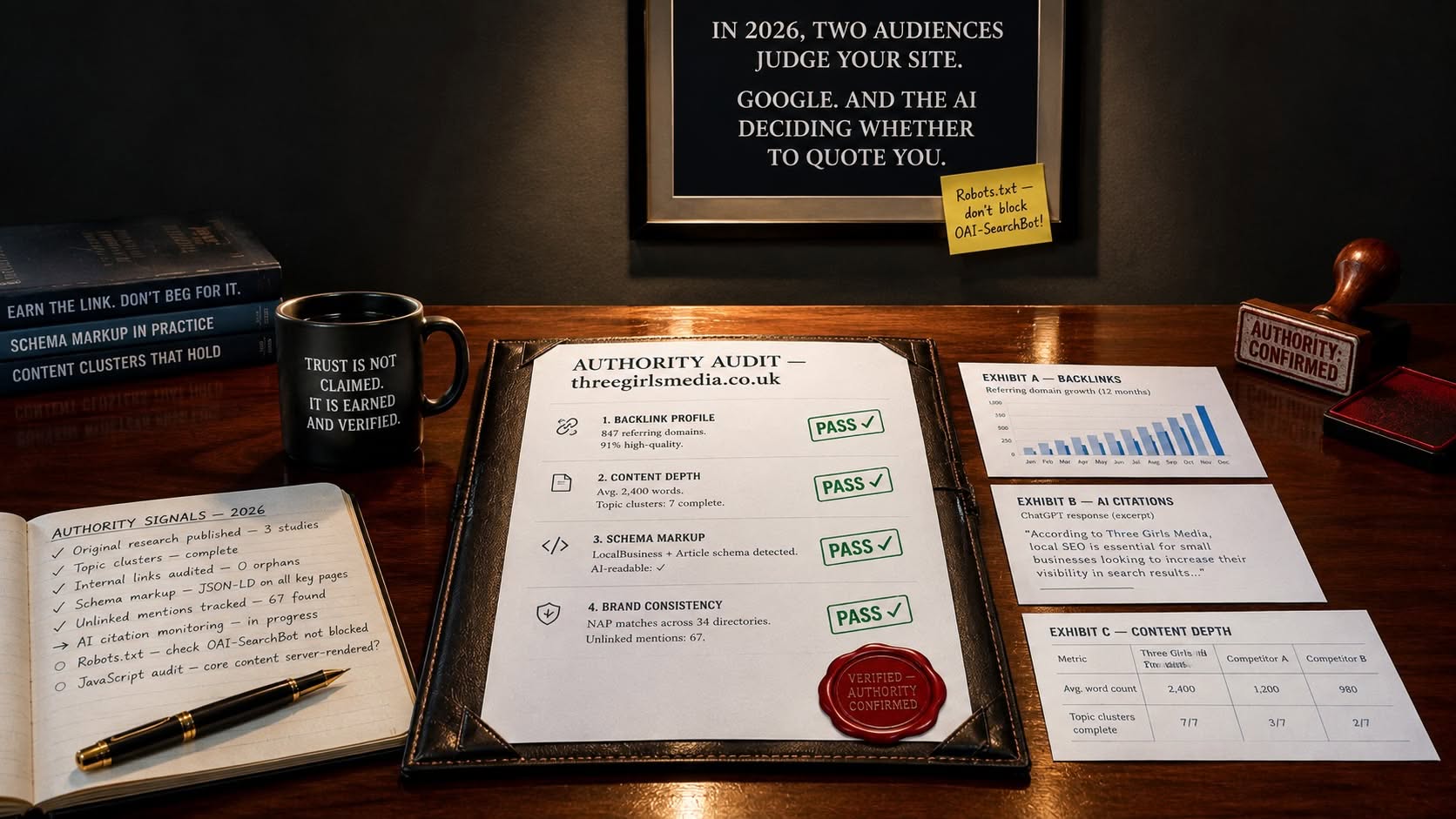
The trust factor shouldn’t be overlooked either. Rich snippets displaying reviews, ratings, or detailed information make your site appear more authoritative and credible. Users feel more confident clicking results that provide transparent information upfront.
The Most Valuable Rich Snippet Types
Not every rich snippet format applies to every website. Choosing the right types for your content is crucial for success.
Product Snippets
Product markup displays prices, availability, ratings, and images directly in search results. This format is essential for e-commerce sites and any page featuring products for sale. Shoppers can compare options without visiting multiple sites, and your listing stands out with clear pricing information.
Review and Rating Snippets
Star ratings catch eyes immediately. Review snippets work for products, services, recipes, courses, local businesses—basically anything people rate and review. The visual impact of stars combined with review counts builds immediate credibility.
Recipe Snippets
Food bloggers and recipe sites benefit enormously from recipe markup. These snippets display cooking time, calorie counts, user ratings, and appealing food photography. Searchers looking for specific recipes can compare options at a glance based on difficulty, time, and ratings.
Article Snippets
News sites, blogs, and content publishers use article markup to highlight key metadata like publication date, author information, and featured images. This markup helps content appear in specialized features like Top Stories carousels and improves visibility for timely content.
FAQ Snippets
FAQ schema creates expandable question-and-answer sections directly in search results. This format is incredibly versatile—use it on service pages, product descriptions, support content, or any page addressing common questions. The expanded real estate in search results dramatically increases visibility.
Video Snippets
Video markup displays thumbnails, duration, and key timestamps directly in search results. For sites hosting video content, this markup drives higher engagement by letting users preview content and jump to specific sections.
Organization and Local Business Snippets
These snippets display business information like logos, contact details, locations, and operating hours. They’re essential for local SEO and help businesses establish authority in their industry.
How to Implement Rich Snippets Step by Step
Getting rich snippets requires adding structured data to your website. The process isn’t complicated, but attention to detail matters.
Choosing Your Structured Data Format
Three main formats exist for structured data: JSON-LD, Microdata, and RDFa. Google strongly recommends JSON-LD because it’s clean, easy to implement, and doesn’t interfere with your visible content.
JSON-LD sits in a script tag in your page’s head section, completely separate from your content. This separation makes it easier to maintain and less likely to cause errors. Unless you have specific technical reasons otherwise, always use JSON-LD.
Creating the Markup
You have several options for generating structured data:
Google’s Structured Data Markup Helper provides a visual interface where you point and click to identify content elements. The tool generates the appropriate code based on your selections. It’s perfect for beginners or one-off implementations.
Visit the Structured Data Markup Helper, select your content type, enter your URL, and start tagging elements. The tool creates ready-to-use code you can copy directly into your page.
Schema.org offers detailed documentation for every markup type. If you’re comfortable with code, you can reference Schema.org directly to create custom implementations. This approach gives you complete control and flexibility.
WordPress Plugins simplify the process dramatically for WordPress sites. Plugins like Rank Math or Yoast SEO handle structured data through user-friendly interfaces. You fill in fields, and the plugin generates proper code automatically.
For Rank Math, navigate to any post or page, scroll to the Rank Math section, select the Schema tab, choose your markup type, fill in the required fields, and publish. The plugin handles everything behind the scenes.
Adding Code to Your Site
For manual implementations, place JSON-LD code in the head section of your HTML. The code should appear between the opening and closing head tags, typically before the closing tag.
WordPress plugins handle placement automatically. If you’re working with other CMS platforms or custom sites, your specific implementation method will vary, but the principle remains the same—the code needs to be in the HTML where search engines can read it.
Validating Your Structured Data
Creating markup is only half the battle. Validation ensures it works correctly and qualifies for rich snippets.
Using Rich Results Test
Google’s Rich Results Test is your primary validation tool. Enter your URL and click “Test URL.” The tool analyzes your page and reports which rich results your markup supports.
Pay attention to the results. Green checkmarks mean your markup is valid and eligible for rich snippets. Warnings indicate optional fields you’re missing—adding these can improve your results but isn’t required. Red errors must be fixed; invalid markup won’t generate rich snippets.
Common Validation Issues
Missing required properties causes most errors. Each schema type has mandatory fields—omitting any prevents qualification. Check Google’s documentation for your specific schema type to ensure completeness.
Incorrect data types also trigger errors. If a property expects a number and you provide text, validation fails. Follow the expected format precisely for each property.
Hidden or misleading content violates Google’s guidelines. Never mark up content that doesn’t appear on the page or content that’s intentionally misleading. These violations can result in penalties affecting your entire site.
Monitoring Performance
Google Search Console provides reports on your structured data performance. Navigate to the Enhancements section to see which pages have valid markup, which have errors, and how your rich results are performing.
Regular monitoring catches issues quickly. Pages that previously showed rich snippets but suddenly don’t may have broken markup from site updates or template changes. Consistent checking prevents long-term visibility loss.
Advanced Implementation Strategies
Once you’ve mastered basic rich snippets, several advanced techniques can maximize their impact.
Combining Multiple Schema Types
Pages often warrant multiple markup types. A product page might include Product, Review, FAQ, and BreadcrumbList schemas simultaneously. This comprehensive approach provides maximum information to search engines and users.
Nest related schemas logically. A Product schema can contain Review and AggregateRating schemas. An Article schema might include Author and Organization schemas. This hierarchical structure creates rich, detailed markup that covers all aspects of your content.
Maintaining Consistency Across Your Site
Inconsistent implementation confuses search engines. If some product pages have proper markup while others don’t, you create unpredictable results. Develop templates or systems ensuring every applicable page receives appropriate markup.
For large sites, automation becomes essential. WordPress plugins handle this naturally, but custom sites may need custom solutions. Many CMSs offer plugins or extensions specifically for schema markup management.
Keeping Markup Updated
Content changes require markup updates. If you update a product’s price or availability, the structured data must reflect those changes. Outdated markup displaying incorrect information violates guidelines and can trigger penalties.
Dynamic markup solutions pull data directly from your database, ensuring automatic updates. This approach works better than hardcoded values, especially for sites with frequently changing content.
Common Mistakes That Prevent Rich Snippets
Even proper implementation doesn’t guarantee rich snippets. Several factors can prevent them from appearing.
Misleading or Spammy Markup
Never mark up fake reviews, inflated ratings, or information not present on the page. Google detects these violations easily and responds with manual penalties. The short-term boost isn’t worth the long-term damage.
Marking Up Hidden Content
All marked-up content must be visible to users. If you’re marking up text hidden behind tabs, accordions, or CSS display properties, Google may ignore the markup or penalize the page. Make content accessible to both users and crawlers.
Excessive or Inappropriate Markup
Don’t mark up everything possible on every page. Focus on the most relevant schema types for each specific page. A homepage doesn’t need Recipe markup, and a recipe page doesn’t need LocalBusiness markup. Strategic, appropriate implementation works best.
Ignoring Google’s Guidelines
Google publishes structured data guidelines that must be followed. These guidelines cover acceptable practices, prohibited content, and technical requirements. Violations risk penalties affecting your entire domain.
Measuring Rich Snippet Success
Implementation is just the beginning. Measuring impact helps refine your strategy and prove ROI.
Tracking Click-Through Rates
Compare CTR before and after implementing rich snippets. Google Search Console’s Performance report shows impressions and clicks for specific pages. Filter by date ranges to compare periods before and after markup implementation.
Significant CTR increases indicate successful rich snippet display. If CTR doesn’t improve, your snippets might not be showing, or they might not be compelling enough compared to competitors.
Monitoring Search Appearance
Regular searches for your target keywords reveal when rich snippets appear. However, search results vary by location, personalization, and other factors. Use incognito mode and different devices to get broader perspective.
Google Search Console’s Enhancement reports show exactly which pages display rich results and which encounter errors. This data is more reliable than manual searches for tracking performance.
Analyzing User Behavior
Rich snippets should attract qualified traffic that engages with your content. Monitor bounce rates, time on page, and conversion rates for pages with rich snippets. Higher quality traffic indicators suggest your markup is working effectively.
The Future of Rich Snippets
Structured data’s importance will only grow. As search engines become more sophisticated, they rely increasingly on structured data to understand content and generate AI-powered results.
Google’s Search Generative Experience and similar AI features pull heavily from structured data. Websites with comprehensive, accurate markup will have advantages in these new search formats.
New schema types continue emerging. Stay current with Schema.org updates and Google’s developer documentation to leverage new opportunities as they become available.
Rich snippets aren’t optional anymore—they’re essential for competitive search visibility. The time invested in proper implementation returns dividends through higher click-through rates, better user engagement, and stronger search presence.
Start with one or two schema types relevant to your content. Validate thoroughly, monitor performance, and expand gradually. Your enhanced search listings will build authority, attract more qualified traffic, and give your content the visibility it deserves.
Related reading: Content Creation Is Harder Than It Looks — Here’s How to Actually Do It Right, What Are the 4 Types of Keywords? (And How to Use Each One).