Finding gaps in search engine results pages isn’t just about spotting missing keywords—it’s about understanding where Google’s current answers fall short and positioning your content as the better solution. When you identify true SERP weak spots, you’re essentially discovering opportunities where demand exists but quality supply doesn’t, giving your content a genuine fighting chance to rank quickly.
The challenge most content creators face is that they approach keyword research backwards. They find keywords with search volume and immediately start writing, without ever analyzing whether the existing results actually satisfy searcher intent. This oversight costs time, money, and rankings. Let me show you how to flip that approach and find the gaps that matter.
Understanding What Makes a SERP Weak Spot Valuable
A weak spot in search results appears when the pages currently ranking fail to fully answer what people are actually searching for. This misalignment creates frustration for searchers and opportunity for you.
Think about the last time you searched for something specific and clicked through three or four results before finding what you needed. That experience represents a weak spot—Google served results, but none of them hit the mark perfectly. These moments happen more often than you’d think, especially in:
- Emerging topics where content hasn’t caught up to search demand
- Technical subjects where existing content oversimplifies or overcomplicates
- Local or niche markets where big publishers haven’t bothered to compete
- Question-based queries where current answers are incomplete or outdated
The key is recognizing that search volume alone doesn’t indicate opportunity. A keyword with 10,000 monthly searches but dominated by authoritative sites with comprehensive content offers less opportunity than a 500-search keyword where all ranking pages miss critical information.
How to Identify Content Gaps in Current Rankings
Start by examining what’s already ranking. Open an incognito window and search your target keyword—this gives you unbiased results without personalization. Look at the top 10 results and ask yourself specific questions about each one.
Does the content directly answer the search query in the first few paragraphs? Many articles bury the actual answer deep in the text, forcing readers to scroll endlessly. If you notice this pattern across multiple results, you’ve found a structural weakness you can exploit by front-loading your answer.
Check the publication dates. When you see results from 2018, 2019, or even 2021 ranking for topics that have evolved significantly, that’s a clear signal. Industries like AI, marketing platforms, or software tools change rapidly, and outdated information creates natural opportunities for fresh, current content.
Analyze the depth and comprehensiveness. Count the word length, but more importantly, evaluate whether the content covers related subtopics and answers follow-up questions. Many ranking articles tackle the main topic superficially without addressing the natural questions that emerge as someone learns about the subject.
Evaluating Search Intent Alignment
Google categorizes search intent into four types: informational, navigational, transactional, and commercial investigation. The weak spots emerge when content targets the wrong intent.
If someone searches “best project management software,” they’re likely in commercial investigation mode—comparing options before buying. If the top results are all basic “what is project management software” articles, there’s a massive intent mismatch. Similarly, if someone wants a quick definition but all ranking results are 3,000-word guides, brevity becomes your advantage.
Look at the SERP features Google displays. Featured snippets, People Also Ask boxes, and related searches tell you exactly what additional information Google thinks searchers need. When ranking articles don’t address these elements, you can incorporate them to create more comprehensive coverage.
Analyzing Keyword Difficulty vs. Content Quality
Keyword difficulty scores from tools like Ahrefs, SEMrush, or Moz give you a starting point, but they don’t tell the complete story. These metrics typically measure domain authority and backlink profiles of ranking pages, not content quality.
I’ve seen keywords with “high difficulty” scores where the actual ranking content is mediocre—thin, poorly structured, or outdated. Conversely, some “low difficulty” keywords have such excellent ranking content that breaking in requires exceptional work.
Do your own manual assessment. If you can genuinely create something better than what currently ranks—more current, clearer, more comprehensive, better structured—the keyword difficulty score matters less than your ability to execute.
Finding Keywords Where Competitors Show Weakness
Competitor analysis reveals patterns in what others are missing. The strategy isn’t to copy what’s working but to identify what isn’t.
Gap Analysis Using SEO Tools
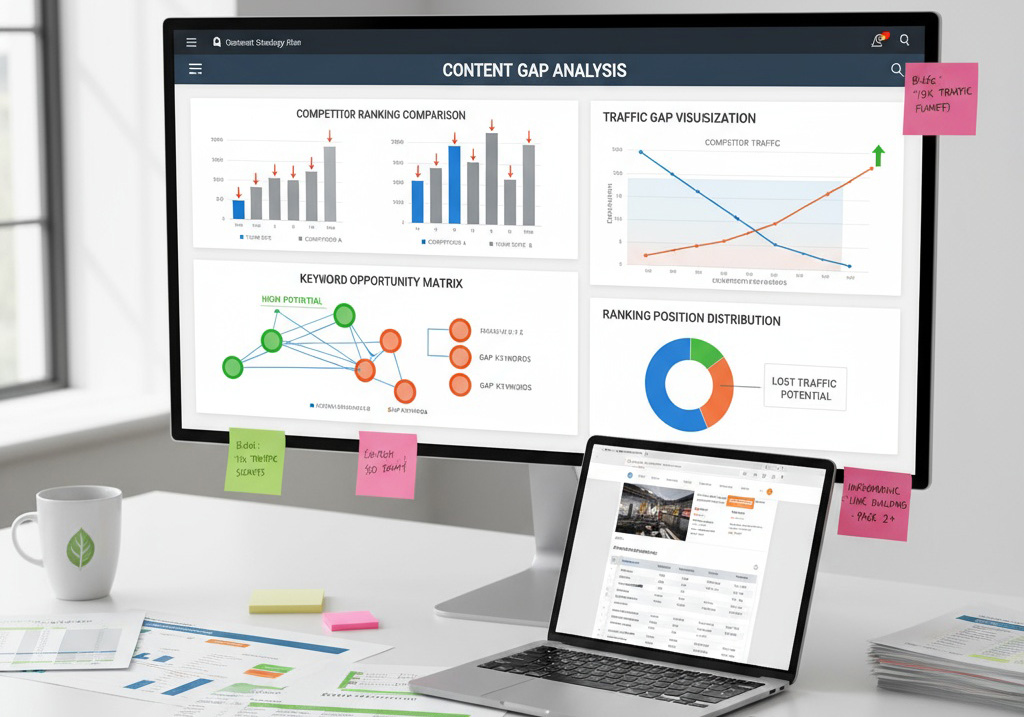
Tools like SEMrush’s Keyword Gap or Ahrefs’ Content Gap feature let you compare multiple competitors’ keyword profiles simultaneously. Enter three to five competitors ranking for topics similar to yours, then filter for keywords where they rank but rank poorly—positions 4-20 are the sweet spot.
These mid-ranking positions suggest the content exists but doesn’t fully satisfy the query. When you see multiple competitors hovering in these positions for the same keyword, it indicates nobody has nailed the topic yet.
Look specifically for:
Question-based queries – These often have less competition and clearer intent. When someone types “how to remove watermarks from PDF” versus just “PDF watermark,” you know exactly what they need.
Long-tail variations – Phrases with 4+ words typically face less competition and have higher conversion potential. “Enterprise project management software for remote teams” is more specific than “project management software.”
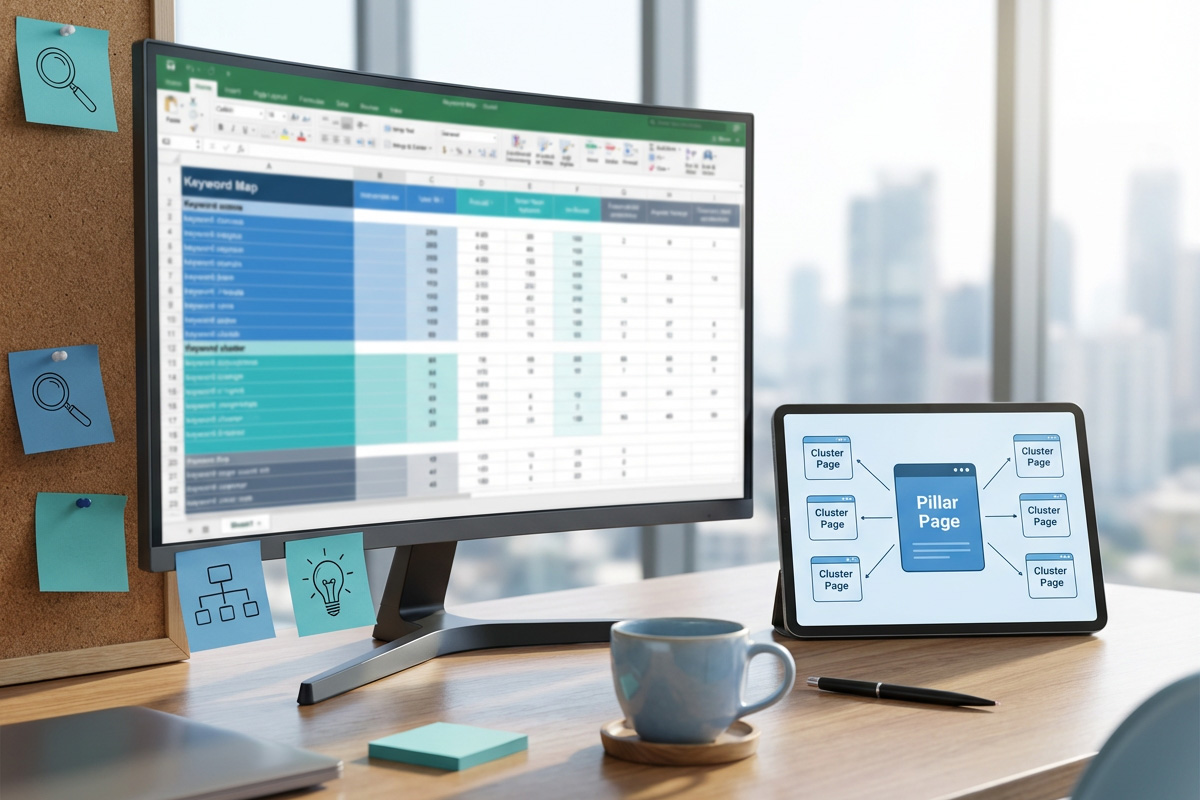
Related keywords clustering – When you find one weak spot, there are usually several related ones. If “SQL data analysis for beginners” shows opportunity, check similar phrases like “SQL basics for data analysis” or “learn SQL for analytics.”
Examining SERP Feature Opportunities
Google’s SERP features—featured snippets, People Also Ask boxes, video carousels, and image packs—represent additional ranking real estate. Not every SERP has these features, and when they appear, they often pull from pages ranking in positions 1-5.
Check if the current featured snippet provides a good answer. Many snippets pull mediocre content simply because it’s formatted correctly—usually a concise paragraph or list. If you can provide a better answer in snippet-friendly format, you can steal this position even without ranking #1 organically.
The People Also Ask section is particularly valuable for content expansion. These questions reveal what else people want to know about your topic. When ranking articles don’t address these questions, you can include them as H2 or H3 sections in your content, creating a more complete resource.
Structuring Content to Exploit SERP Weaknesses
Once you’ve identified a weak spot, your content needs strategic structure to capitalize on it.
Front-Loading the Answer
Don’t make readers work for information. If someone searches “what is technical SEO,” give them a clear, concise definition in the first 100 words. You can elaborate and add nuance later, but immediate value reduces bounce rate and signals relevance to Google.
This approach contradicts old-school SEO advice about building suspense or saving the “good stuff” for later. Modern search behavior favors direct answers, and Google’s algorithms reward content that provides them quickly.
Creating Depth Without Fluff
Comprehensive doesn’t mean verbose. The goal is covering the topic thoroughly while respecting the reader’s time. Every paragraph should advance understanding, not just add words.
Use subheadings to organize information into logical chunks. This makes scanning easier and helps search engines understand your content hierarchy. Within each section, vary your sentence structure—mix short, punchy statements with longer, more detailed explanations.
Avoid repeating the same information in different words. If you’ve explained something clearly once, move forward. This keeps readers engaged and prevents the monotony that makes content feel AI-generated.
Incorporating Supporting Elements
Tables, lists, and brief examples make complex information digestible. When explaining different types of keyword intent, a simple table comparing them is more useful than paragraphs of description.
External links to authoritative sources add credibility. If you reference a Google algorithm update, link to the official announcement. If you cite statistics, link to the original research. This builds trust and signals to Google that you’re creating resource-worthy content.
Internal linking connects your content ecosystem. When you mention a related topic you’ve covered elsewhere, link to it. This helps search engines understand your site’s topical authority and keeps readers engaged with your content longer.
Optimizing for Quick Rankings
Speed to ranking depends on multiple factors, but certain approaches improve your chances.
Technical SEO Foundations
Before publishing, ensure your page follows technical best practices. Your title tag should include your primary keyword naturally, ideally toward the beginning. Keep it under 60 characters so it doesn’t get cut off in search results.
Your meta description won’t directly impact rankings, but it affects click-through rate, which does matter. Write compelling descriptions that include your target keyword and clearly state what value the page provides.
URL structure should be clean and descriptive. Use hyphens between words, keep it reasonably short, and include your main keyword. Avoid unnecessary parameters, numbers, or dates unless the content is specifically time-sensitive.
Header tags (H1, H2, H3) create content hierarchy. Your H1 should include your primary keyword and clearly state what the page is about. H2s organize major sections, and H3s break down subtopics within those sections. This structure helps both readers and search engines navigate your content.
Building Topical Authority
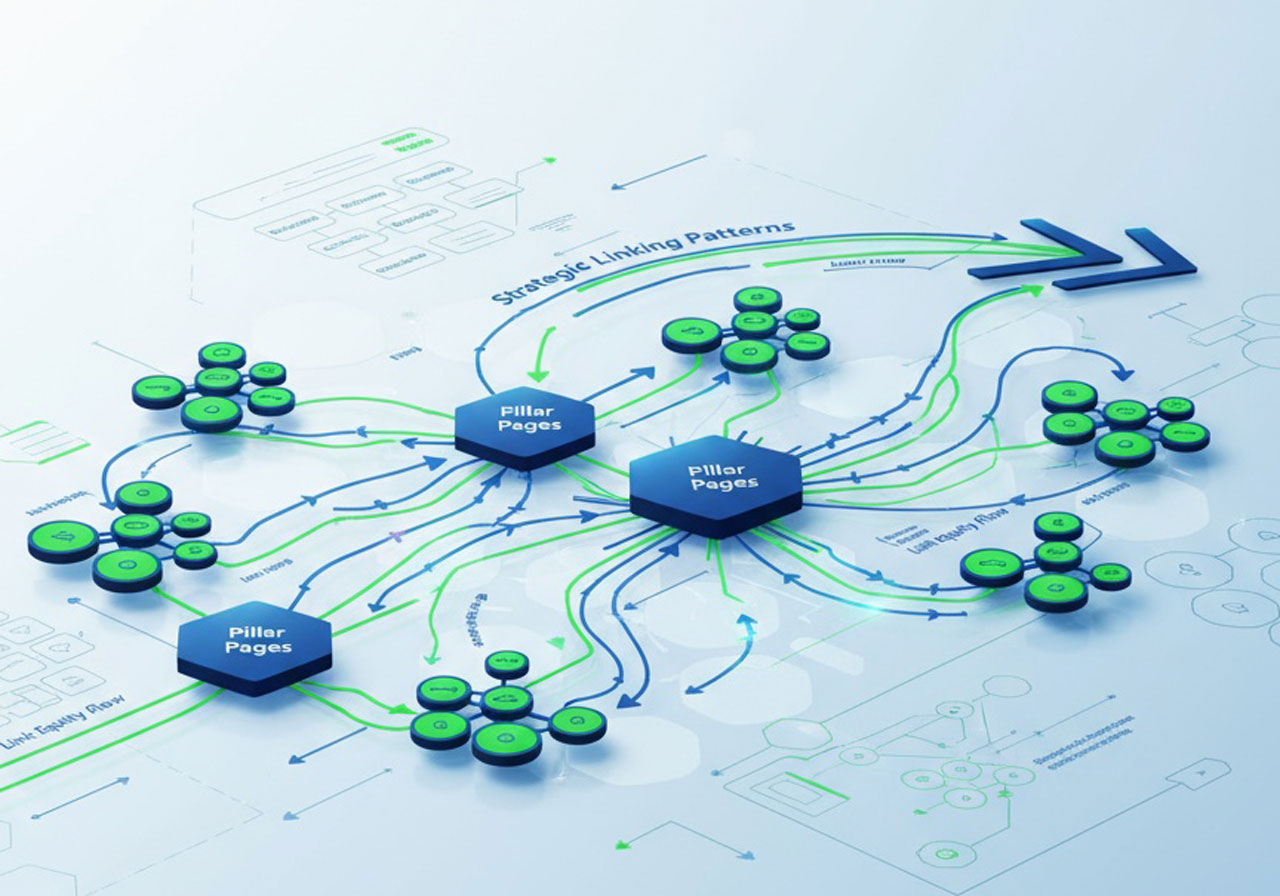
Google increasingly evaluates content based on topical authority—how comprehensively and consistently you cover a subject area. If you’re targeting “email marketing automation,” also publish related content on email segmentation, deliverability, campaign metrics, and specific platform comparisons.
This interconnected content cluster signals expertise. When you build this authority before targeting competitive terms, you establish credibility that makes ranking easier. Start with less competitive long-tail keywords in your niche, then work toward broader, more competitive terms as your authority grows.
Freshness and Updates
For many queries, Google favors recently published or updated content. After publishing, plan to revisit your content regularly—at minimum annually, more frequently for fast-changing topics.
Updates don’t require complete rewrites. Add new information, update statistics, remove outdated references, and adjust for any changes in best practices. Change the publication date only if you’ve made substantial updates, not minor tweaks.
Measuring Your Success
Once your content publishes, tracking performance tells you whether you correctly identified a weak spot.
Monitor rankings for your target keyword and related terms. Most keywords won’t jump to position #1 immediately, but you should see movement within a few weeks. Entry into the top 50 is progress; breaking into the top 20 indicates real traction.
Watch your Google Search Console data. Impressions show how often your page appears in search results, while clicks indicate how many people actually visit. If impressions are high but clicks are low, your title and meta description need improvement. If both are low, your rankings need work.
Pay attention to engagement metrics. Time on page, bounce rate, and pages per session reveal whether your content actually satisfies visitor intent. High bounce rates might indicate you attracted the wrong traffic or didn’t deliver on the promise of your title.
Making This Process Repeatable
Finding SERP weak spots isn’t a one-time activity—it’s an ongoing strategy. As you gain experience, you’ll develop intuition for spotting opportunities more quickly.
Keep a running list of potential topics where you notice weak spots. When you search for information in your industry and find unsatisfying results, note it. These frustrations often represent the same gaps your target audience experiences.
Analyze which of your own content performs best. Look for patterns in topics, formats, or angles that resonate. Double down on what works while continuing to explore new opportunities.
The landscape constantly shifts as competitors publish new content and Google adjusts its algorithms. What represents a weak spot today might be heavily contested six months from now. Stay agile, keep analyzing, and never assume any ranking is permanent without ongoing optimization and updates.
When you consistently identify and exploit SERP weak spots, you build a content portfolio that doesn’t just rank—it provides genuine value that keeps working for you over time.