Content optimization isn’t about stuffing keywords into old blog posts and hoping for the best. It’s the process of refining your existing content to rank higher on Google while getting cited by AI tools like ChatGPT and Perplexity.
The digital landscape has shifted dramatically. AI-powered search grew 357% year-over-year, with billions of queries now running through AI platforms monthly. Your content needs to perform well in both traditional search results and AI-generated answers.
Here’s the wake-up call: research shows nearly 90% of AI bot activity focuses on content published or updated within the past three years. Pages untouched since 2022 are essentially invisible to AI systems—even if they still rank on Google. The good news? Strategic optimization can fix this without rebuilding everything from scratch.
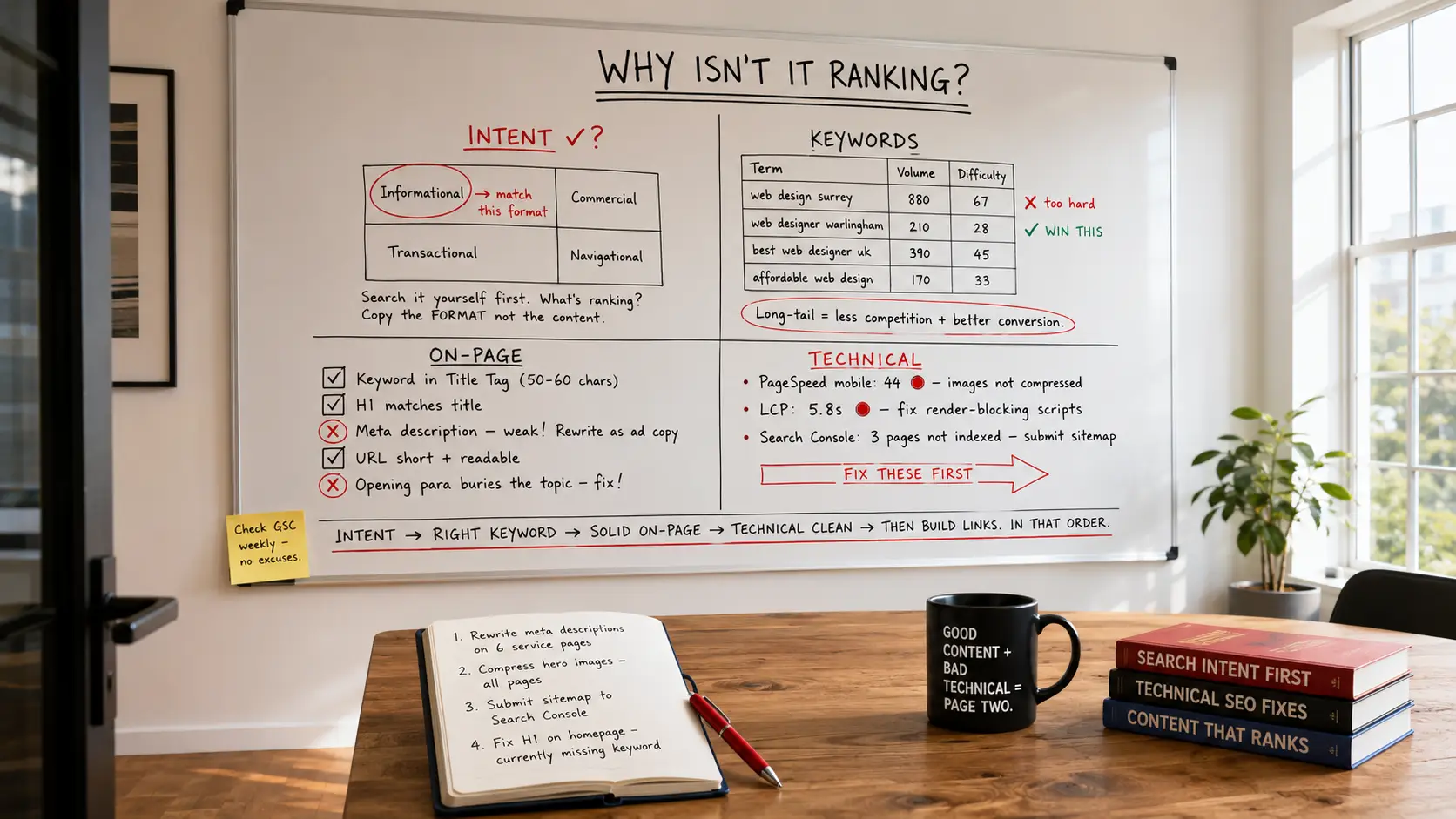
Start With Search Intent (Because Everything Else Depends on It)
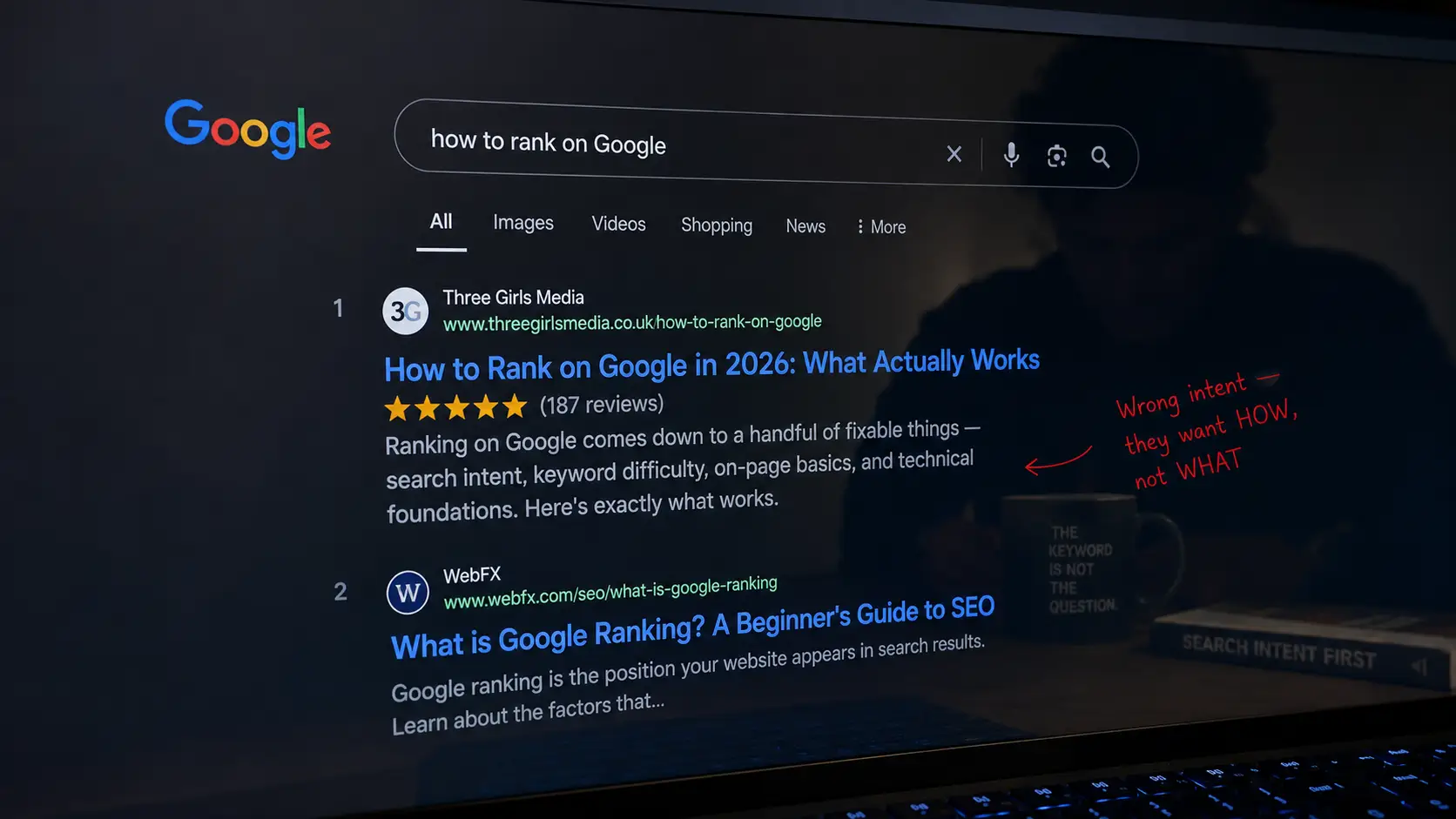
Search intent is the “why” behind every query. Someone typing “running shoes” might want to buy a pair right now, or they might be researching which type works best for flat feet. If your content doesn’t match what they’re actually looking for, it won’t rank—period.
There are four main types you’ll encounter:
Informational queries come from people learning about a topic. They’re asking “what,” “how,” or “why” questions and want clear, straightforward explanations without sales pressure.
Transactional queries signal purchase readiness. These people know what they want and are looking for the best place to buy it. They want pricing, reviews, and clear purchase paths.
Navigational searches happen when someone’s looking for a specific website or page they already know exists. Think “Facebook login” or “Amazon Prime.”
Commercial intent sits between information and transaction—people comparing options before they commit to buying. They want pros and cons, feature comparisons, and honest reviews.
How to Figure Out Intent
The simplest method? Search your target keyword and look at what’s ranking. If the top results are all comparison posts and listicles, that’s commercial intent. If they’re how-to guides, it’s informational. Match your content format to what’s already winning.
You can also use tools like Semrush’s Keyword Overview to check intent automatically, but there’s no substitute for actually looking at the search results yourself. Automated tools miss nuances that manual analysis catches.
Expand Your Reach With Secondary Keywords
Every page needs one primary keyword, but secondary keywords—related terms that connect to your main topic—help you rank for more queries without diluting focus.
If your primary keyword is “email marketing,” secondary keywords might include “email automation,” “newsletter best practices,” or “email deliverability tips.” These capture different search angles while supporting your core topic.
Use a keyword research tool to find related terms with at least 1,000 monthly searches and moderate competition. The key is natural integration—use them in headers and key sections where they genuinely add value, not awkward forced placements.
Write for How People Actually Talk to AI
When someone uses Google, they type “CRM benefits.” When they ask ChatGPT, they write, “What specific benefits does a CRM provide for a small ecommerce business with under 50 employees?”
AI queries are conversational, specific, and framed as complete questions. Your content needs to address these fuller questions directly. Look at customer support transcripts and sales calls to find how real people phrase their questions, then use that exact language in your headers and FAQ sections.
Readability Isn’t Just Nice—It’s Essential
Dense, complicated writing loses readers fast and makes it harder for search engines and AI systems to extract key information.
Write clearly using active voice. Start each section by answering the main question, then provide supporting details. This Bottom Line Up Front approach satisfies both time-pressed readers and AI systems scanning for quick answers.
Break up long paragraphs. Use bullet points for lists and sequential steps. Add subheadings (H3s) to chunk information into digestible pieces. These formatting choices keep people engaged longer.
Vary your sentence length. Mix short, punchy sentences with longer, more detailed ones. This rhythm makes content easier to read and prevents monotony. Read your content aloud to catch awkward phrasing or pacing issues that might slow readers down.
Fresh Content Gets Better Results
Pages that ranked well two years ago often slip because newer content takes their place. Search engines favor recently updated pages, and AI systems prefer even fresher information.
Check your analytics to spot declining pages. If something that ranked on page one now sits on page three, refresh it. Replace outdated statistics, fix broken links, add new internal links, and update changed information. Make substantial improvements—don’t just change the publication date.
The On-Page Elements That Actually Matter
Three elements—title tags, meta descriptions, and image alt text—have outsized influence on how search engines interpret and display your content.
Title Tags
Include your primary keyword and clearly communicate what the page covers. Keep titles under 60 characters so they don’t get cut off in search results. Write titles that make people want to click while accurately representing what they’ll find.
Avoid clickbait that overpromises and underdelivers. Google tracks user behavior signals like bounce rate and time on page, which suffer when titles mislead readers about content.
Meta Descriptions
These don’t directly affect rankings, but they influence whether people click your result. Write compelling summaries under 155 characters that highlight the specific benefit readers will get from your content.
Think of meta descriptions as ad copy for your organic listings. What makes your page worth clicking over the nine other results on page one?
Image Alt Text
Alt text serves two purposes: making images accessible to screen readers and helping search engines understand visuals. Describe images clearly, using relevant keywords where they fit naturally, but prioritize accurate description over keyword insertion.
Generic alt text like “image1” or “photo” wastes opportunities. “Content optimization workflow diagram showing five steps” provides context that helps both accessibility and SEO.
Target SERP Features for Premium Visibility
Featured snippets, People Also Ask boxes, and AI Overviews occupy the most visible positions in search results. Create concise 40-60 word summaries that directly answer target queries and place them near section tops where Google can easily spot them.
Use numbered lists or bullet points when appropriate—Google prefers structured content for featured snippets because it’s easier to scan.
Show Topic Mastery With Semantic Keywords
Semantic keywords are related terms that help search engines understand your content’s scope. For “social media marketing,” these might include “engagement rates,” “content calendar,” and “audience targeting.”
Use an SEO content template to analyze top competitors and identify terms they mention consistently. Incorporate those concepts where they fit naturally—you don’t need to force them in.
Optimize Your Images and Videos
Large, unoptimized images slow down your site, hurting both user experience and rankings. Page speed is a confirmed ranking factor, and slow-loading pages frustrate users.
Compress images using tools like TinyPNG before uploading. Smaller files mean faster loads without noticeable quality loss. Most compression tools reduce file sizes by 50-70% while maintaining visual quality.
Rename image files descriptively before uploading—use “content-optimization-workflow.png” instead of “IMG_123.jpg.” These file names provide another opportunity to reinforce topic relevance.
For videos, add transcripts so search engines can index spoken content. Transcripts also improve accessibility while adding text that naturally reinforces your keywords. YouTube’s automatic captions work in a pinch, but manual transcripts are more accurate.
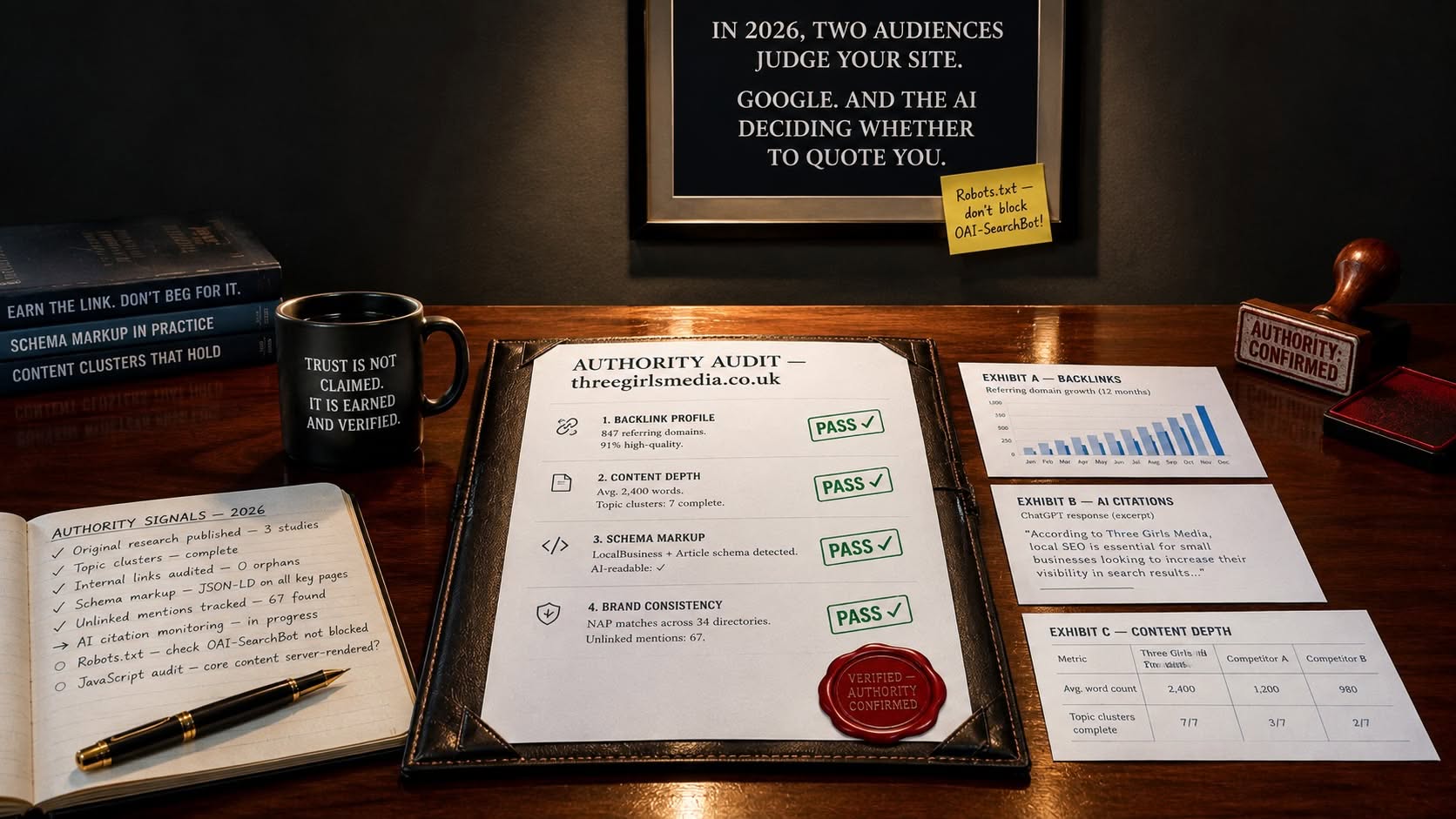
Build Authority Through E-E-A-T
Google’s Experience, Expertise, Authoritativeness, and Trustworthiness guidelines influence rankings, especially for health, finance, or safety topics. AI systems also favor content showing these qualities.
Publish content under named authors with specific credentials—”10 years in enterprise SEO” beats “marketing expert.” Add expert quotes or insights; research shows content with expert commentary appears more frequently in AI responses.
Support claims with links to authoritative sources: academic research, government data, industry publications, and respected news outlets.
Cover Topics Thoroughly
Search engines reward comprehensive resources that fully answer questions. Examine the top 10 results for your target keyword—what subtopics do they address? How deeply? Look for patterns and gaps you can fill.
Comprehensive doesn’t mean repeating competitors. Add unique insights, proprietary data, or specific examples from your experience. That’s what makes your content worth linking to.
Original Research Builds Authority
Proprietary data attracts backlinks and AI citations. Run customer surveys using Google Forms, analyze your internal data for trends, or interview experts to capture unique perspectives.
Present findings using charts and graphs. Content with original research attracts significantly more backlinks than content without unique data.
Optimize for Conversions, Not Just Traffic
Show your product solving specific problems rather than generically promoting features. Only mention solutions where they genuinely help users achieve goals.
Include testimonials and case studies with specific outcomes and metrics. Position social proof near calls-to-action for maximum impact.
Match CTAs to reader intent. Informational content should offer educational resources, not purchase prompts. Explain benefits—”Get your free SEO audit” beats “Click Here.”
Track What Matters
Monitor keyword positions using Google Search Console—ranking changes typically appear 2-4 weeks after optimization. Track organic traffic with Google Analytics 4 to measure real impact by page and keyword.
For AI visibility, use specialized tracking to monitor citations across ChatGPT and Perplexity. This emerging metric complements traditional SEO as AI search grows.
The Bottom Line
Content optimization makes your pages more discoverable and valuable to both humans and algorithms. Focus on high-value content driving business results—pages generating traffic, conversions, or backlinks deserve ongoing attention.
This isn’t a one-time project. Search behavior evolves and competition intensifies. Regular updates, strategic keyword expansion, and continuous monitoring ensure your content maintains visibility across changing platforms—whether that’s Google today or whatever comes next.
Related reading: What Makes a Landing Page Convert? Build One That Actually Works, Proven Ways to Boost Your Website Traffic in 2026.